
Research
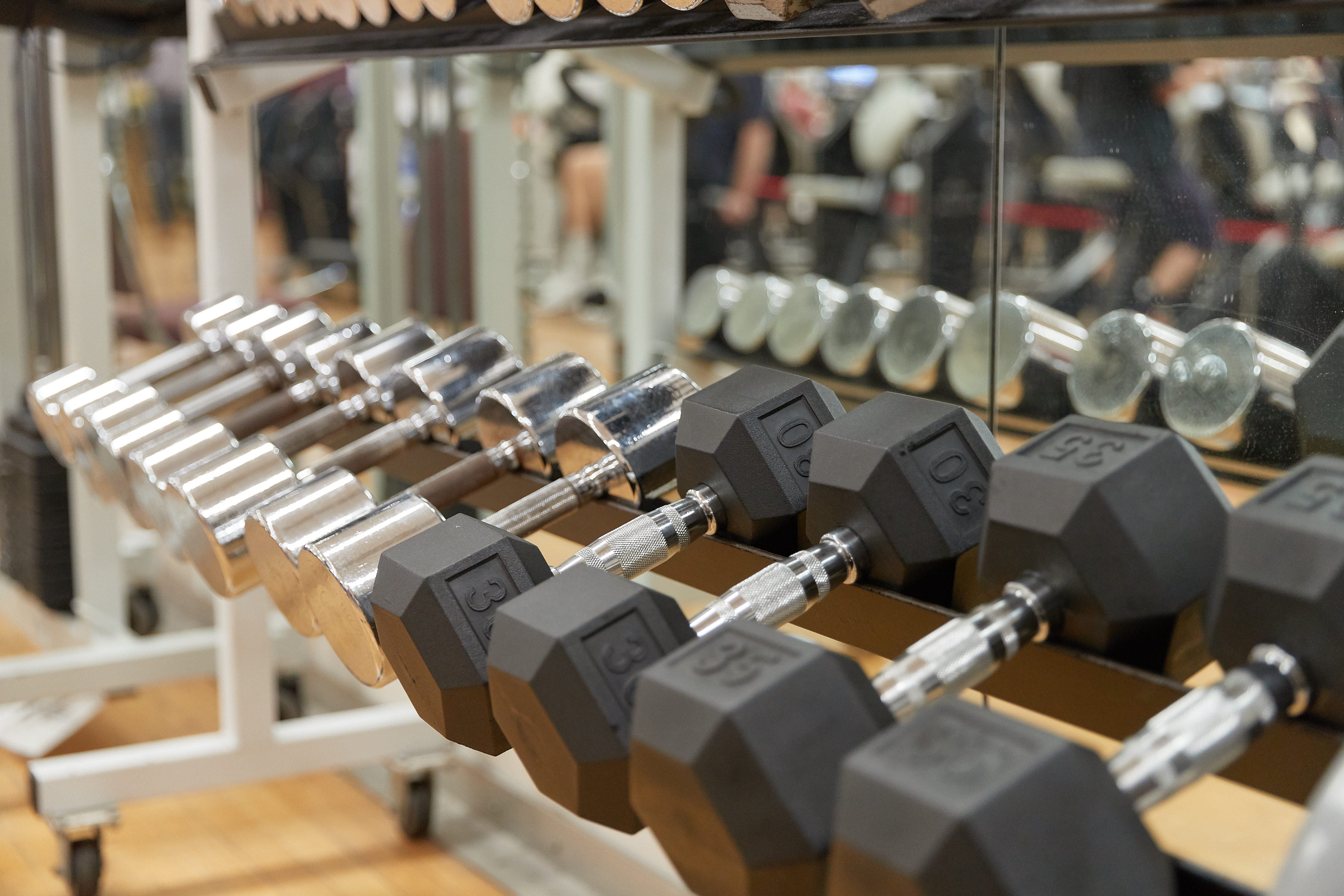
Our research studies are led by McMaster faculty from the Department of Kinesiology and others, with support from graduate and undergraduate students. Research studies take place within PACE and in labs located in the Department of Kinesiology. Participating in research studies is entirely voluntary. If you are interested in taking part in a study, please notify any student, staff, or faculty member at PACE.
PACE’s first program – MacCardiac Rehab – was launched in 1979 in response to community members who wanted to stay connected with each other and the university once their research study concluded. Other research studies led to the introduction of the MacSeniors, MacWheelers, and MacMS-FITT programs. McMaster is Canada’s most research-intensive university, and research conducted at PACE contributes to McMaster’s national and international rankings, and reputation for research excellence.
OUR RESEARCH AREAS
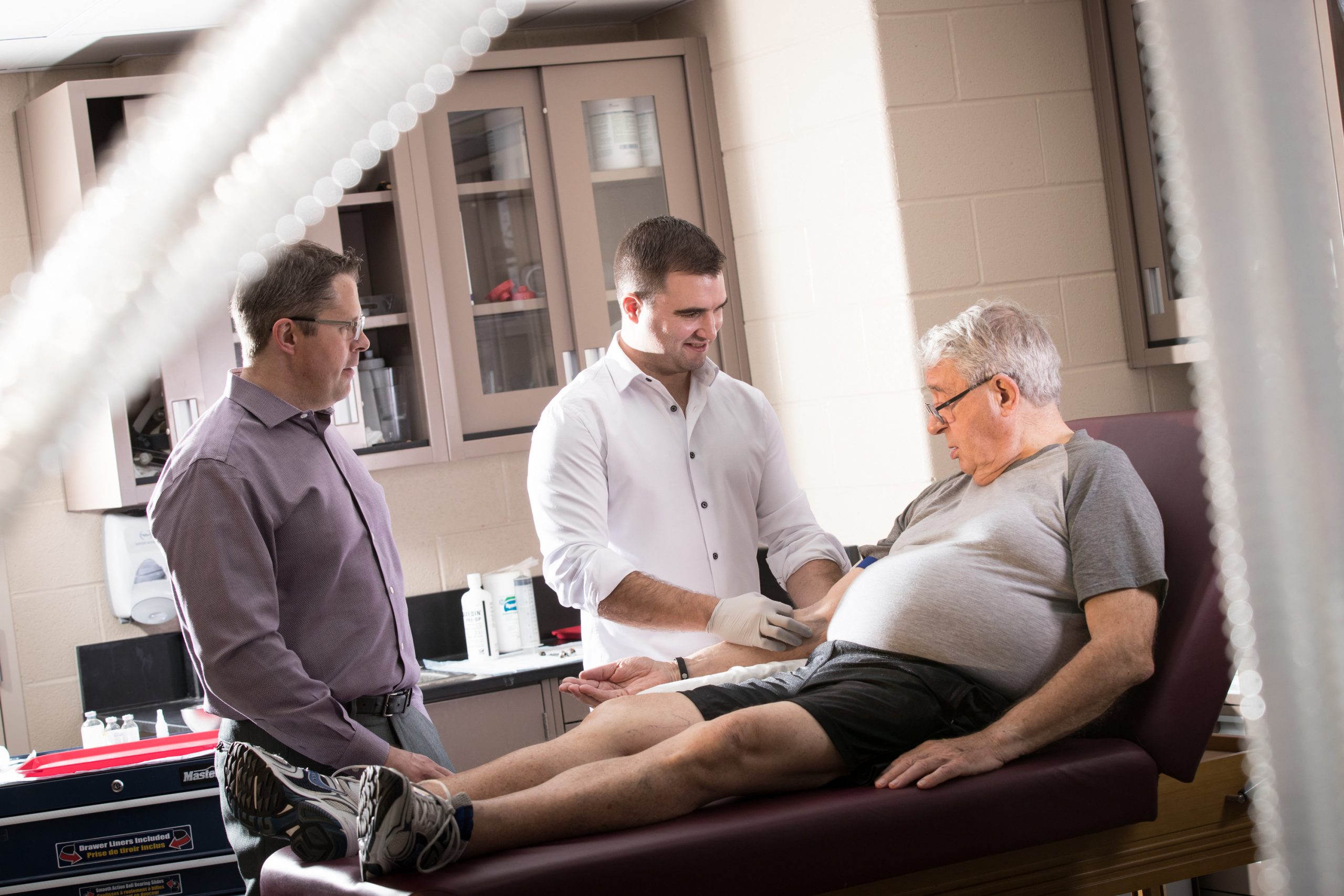
Integrative Physiology Explore Research Area
The study of the acute and chronic effects of exercise and influence of physical training and nutrition.
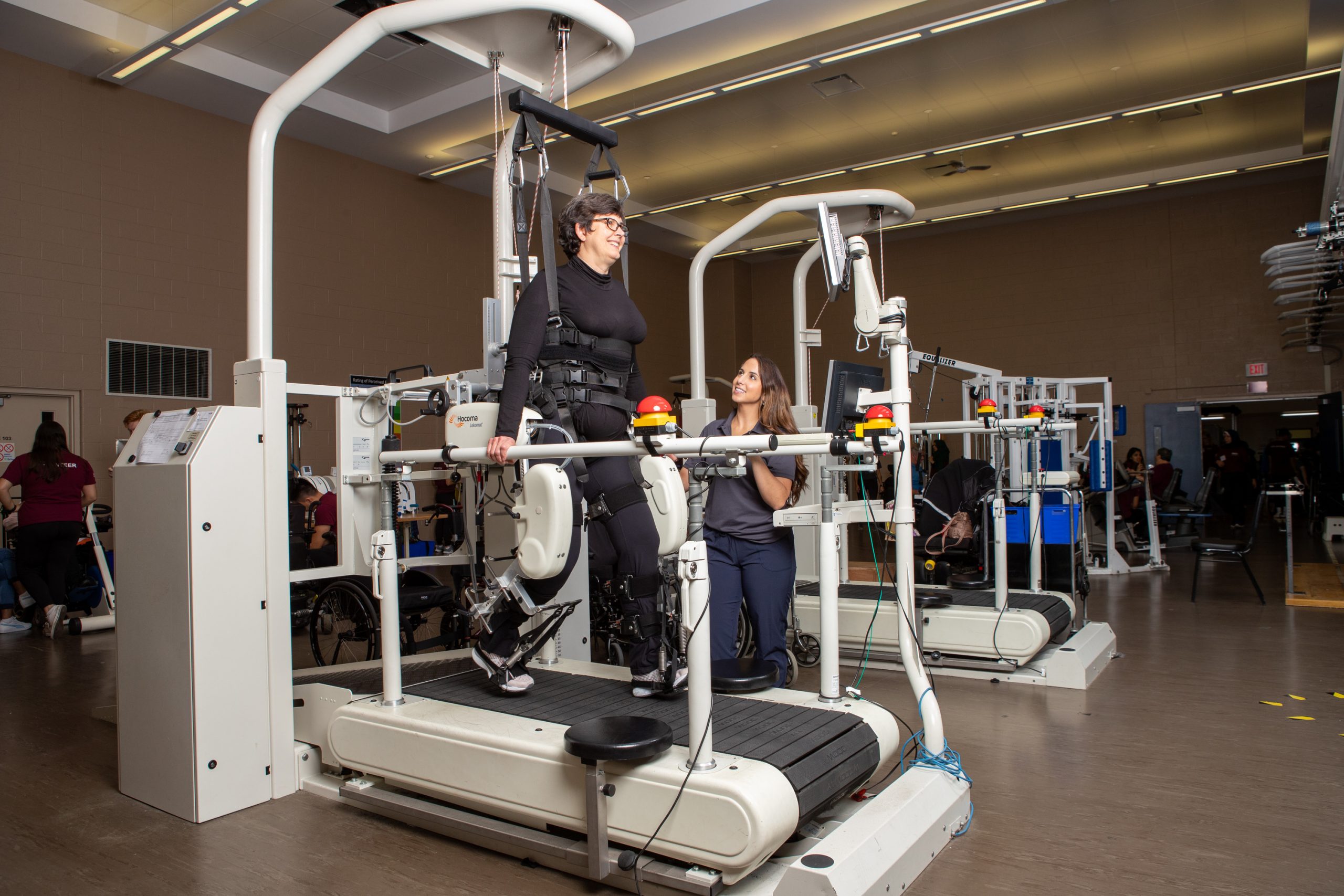
Mechanics & Control Of Movement Explore research area
The study of movement, performance, and the neuromechanical processes of the human body.
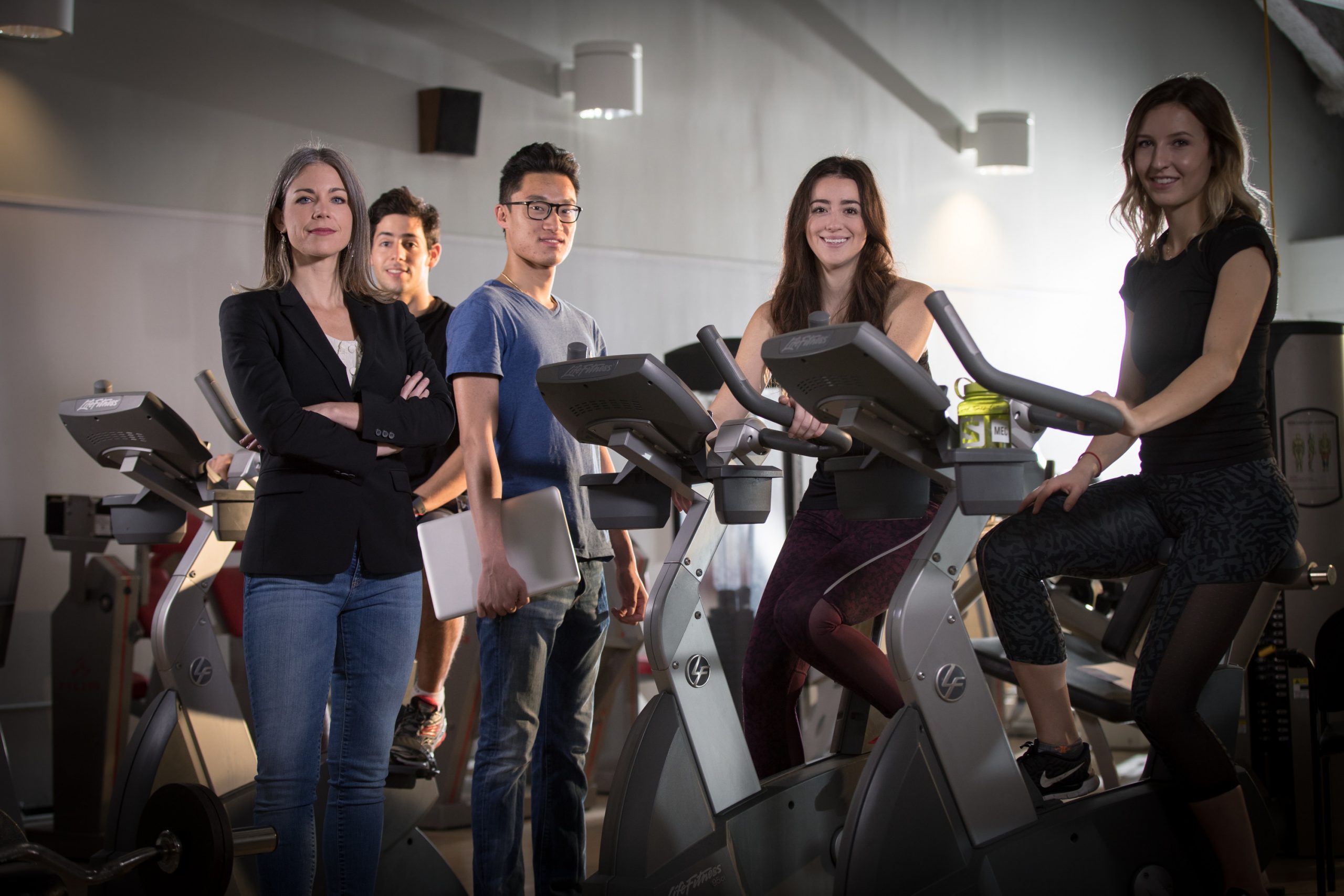
Neuroscience & Behaviour Explore research area
The study of the interaction between physical activity and the nervous system.
Current Research Opportunities
When you qualify for a study, you will be contacted and given more details about the search project. Your confidentiality will be respected and no information that discloses your identity will be released or published unless required by law. Your information will remain on a secure server in the PACE that can only be accessed by research participant coordinator and technical director. When you participate in a study, your personal information will not be shared with researchers and you will only be identified by special codes. You can withdraw from studies at any time, even if you have already provided consent. The participant pool for PACE has been reviewed and cleared by the McMaster Research Ethics Board.
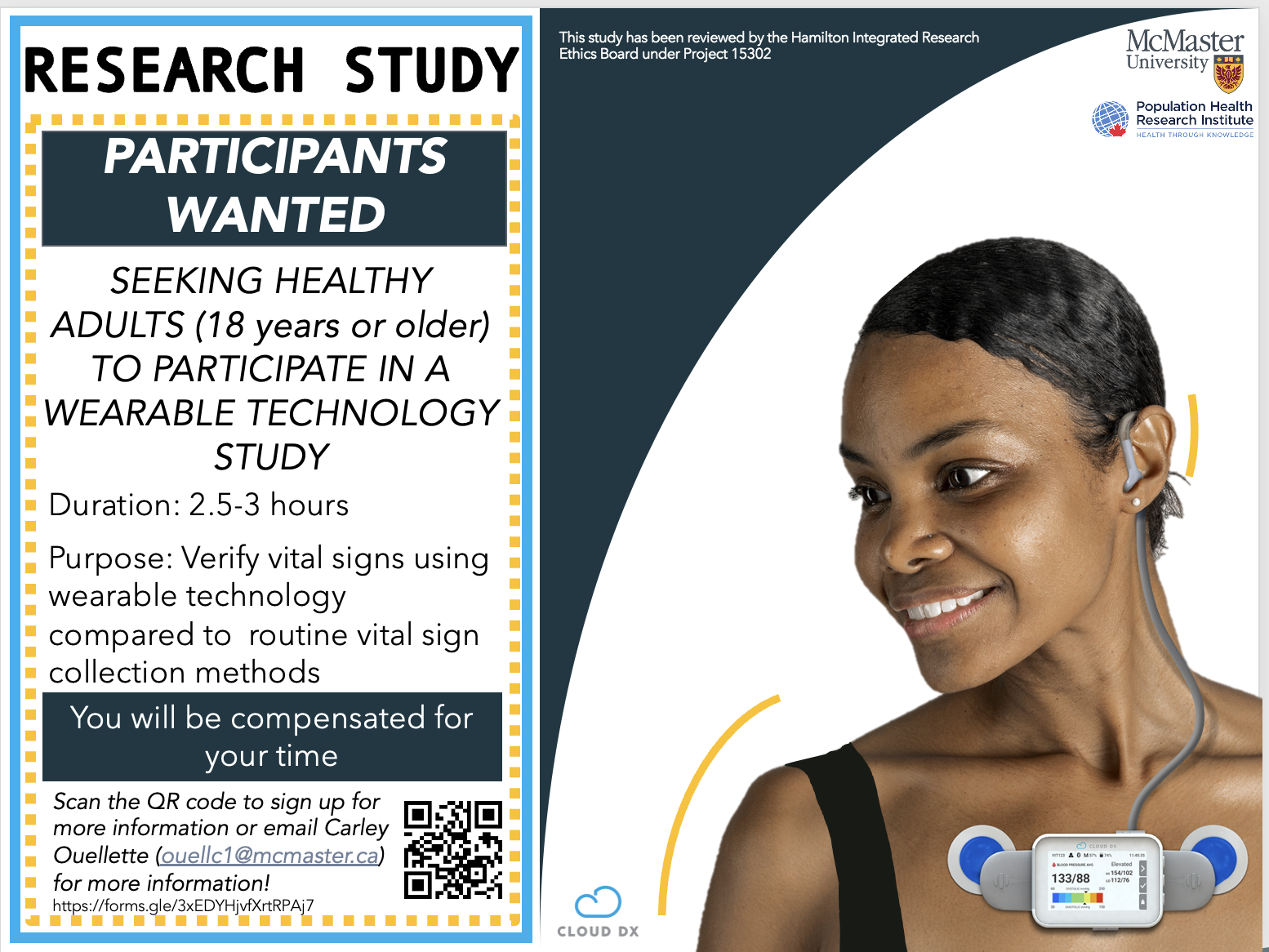
Research participants (18 years or older) wanted for a wearable technology study. View Details
Research participants (18 years or older) wanted for a wearable technology study. - View Details
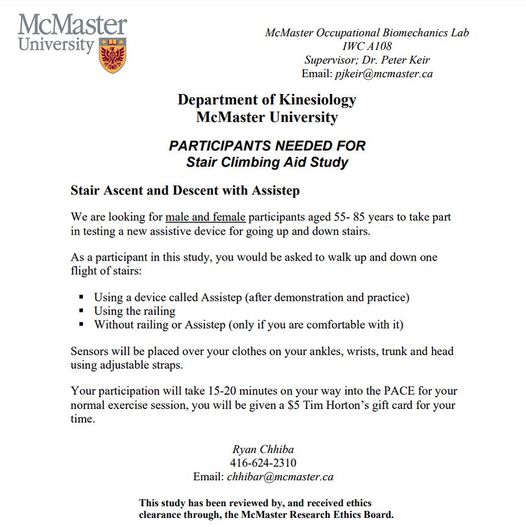
Chair climbing aid study. View Details
Chair climbing aid study. - View Details
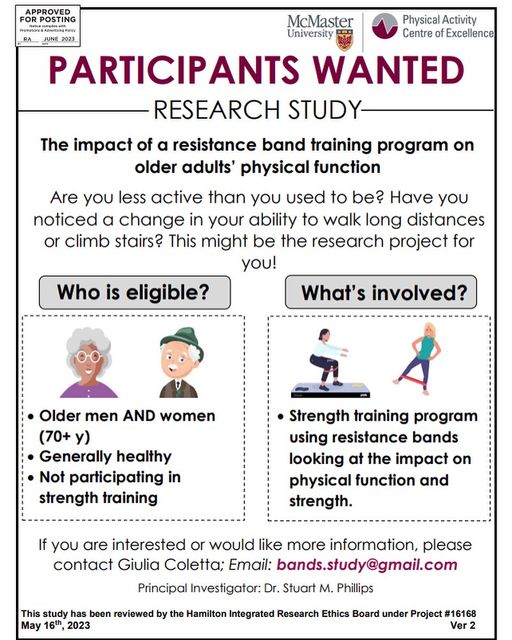
The impact of a resistance band training program on older adults' physical function. View Details
The impact of a resistance band training program on older adults' physical function. - View Details
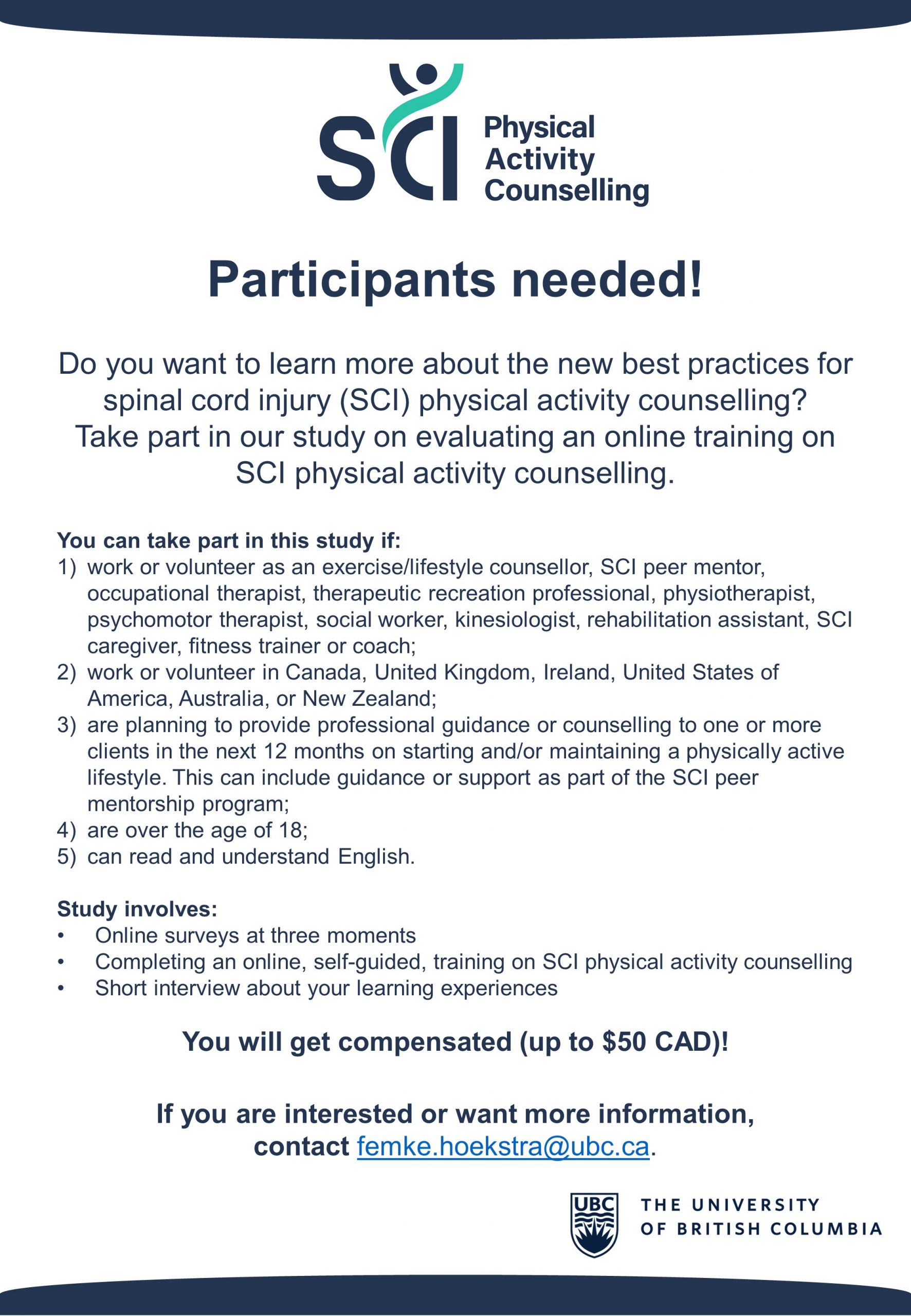
Take part in a study on evaluating an online training on SCI physical activity. View Details
Study Involves:
- Online Survey
- Completing and online, self-guided, training on SCI physical activity counselling
- Short interview about your learning experiences
Take part in a study on evaluating an online training on SCI physical activity. - View Details
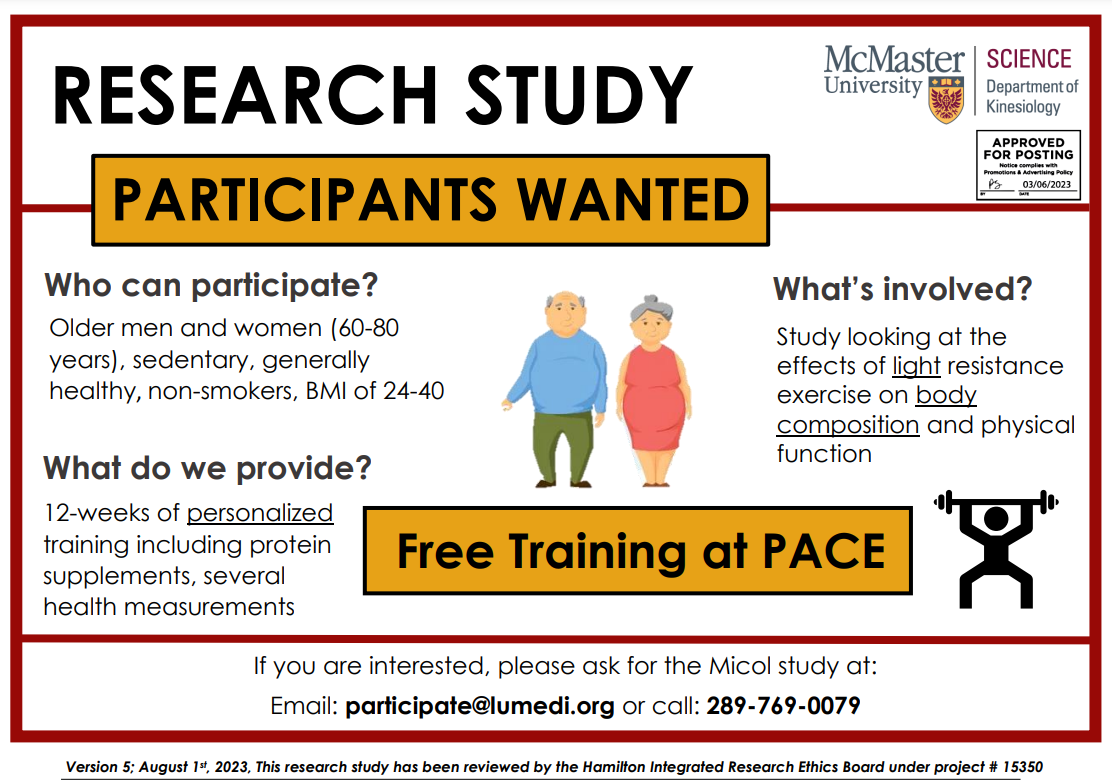
Study looking at the effects of light resistance exercise on body composition and physical function. View Details
Who can participate?
Older men and women (60-80 years), Generally healthy, Non-smokers
What do we provide?
12-weeks of supervised training including protein supplements, several health measurements.
Study looking at the effects of light resistance exercise on body composition and physical function. - View Details
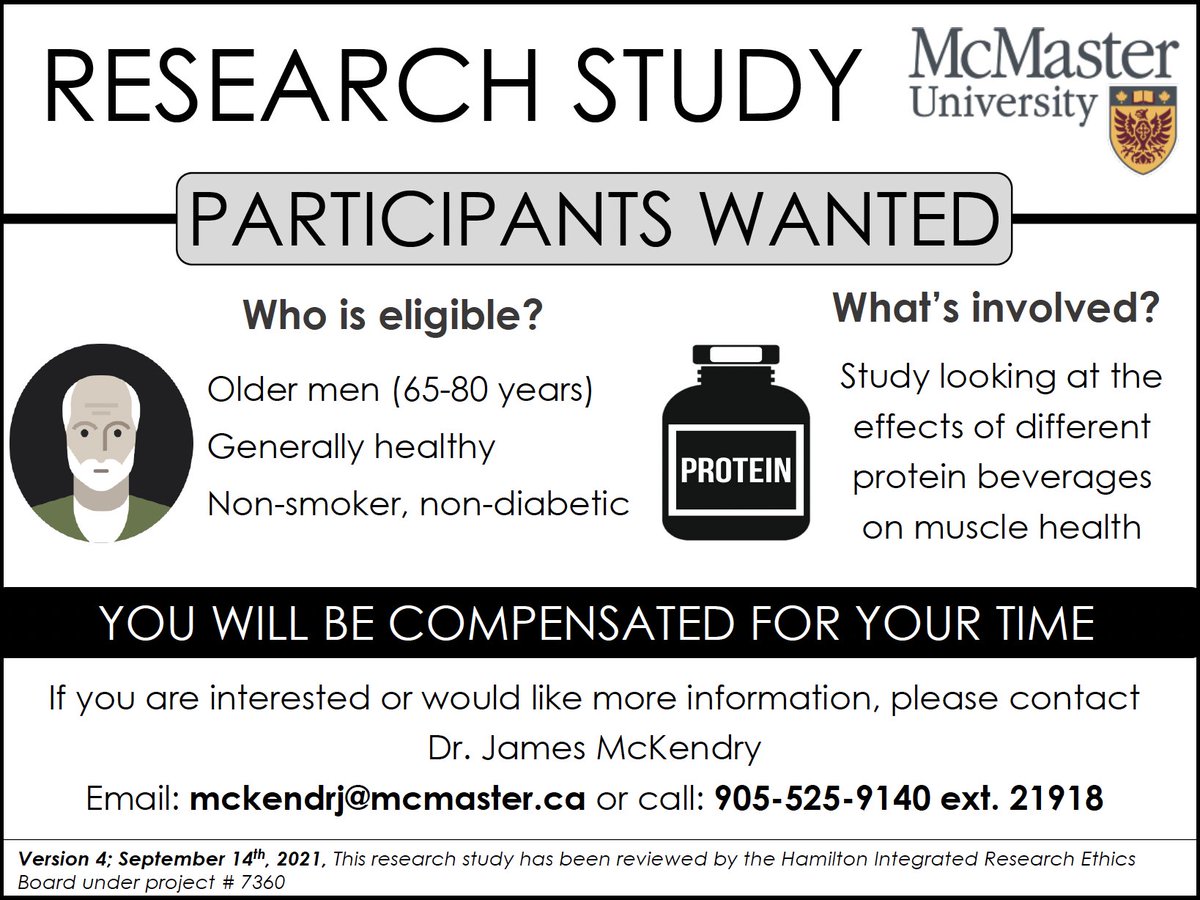
A study looking at the effects of different protein beverages on muscle health View Details
After the age of ~50, we begin to lose muscle mass at a rate of about 1-3% per year – a process called sarcopenia. The loss of muscle mass beyond a certain point can make it increasingly difficult to perform activities of daily living such as rising from a chair, going up and down stairs, carrying groceries, etc. We lose muscle mass with age because our muscles become less sensitive to the growth-promoting effects of physical activity and protein ingestion. We are conducting this study to see how beverages containing different protein sources (whey protein found in dairy products, pea protein, and collagen protein) impacts muscle growth (muscle protein synthesis). This information will be important when providing information to older adults about the type of protein that older adults should consume to help prevent the loss of muscle mass that occurs with aging.
A study looking at the effects of different protein beverages on muscle health - View Details
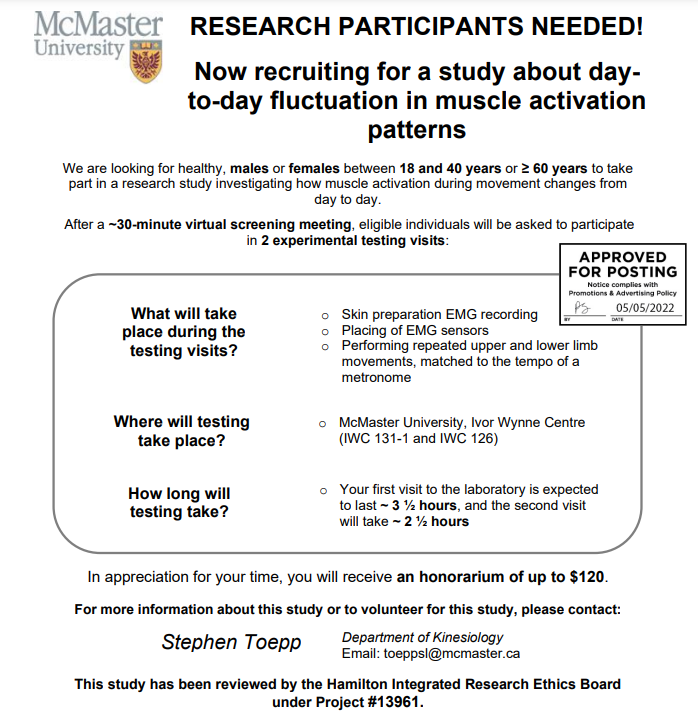
Now recruiting for a study about day-to-day fluctuation in muscle activation patterns View Details
We are looking for healthy males or females between 18-40 years and 60 or older years to take part in a research study investigating how muscle activation during movement changes from day to day.
After a ~30 minute virtual screening meeting, eligible individuals will be asked to participate in 2 experimental testing visits.
Now recruiting for a study about day-to-day fluctuation in muscle activation patterns - View Details
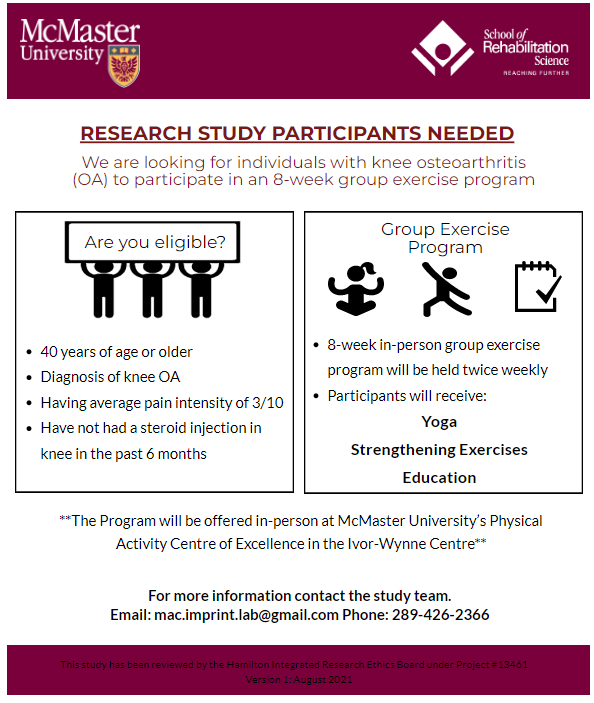
Looking for individuals with knee osteoarthritis View Details
We are looking for individuals with knee osteoarthritis (OA) to participate in an 8-week group exercise program.
For more information please contact the study team at 289-426-2366 or mac.imprint.lab@gmail.com.
Looking for individuals with knee osteoarthritis - View Details
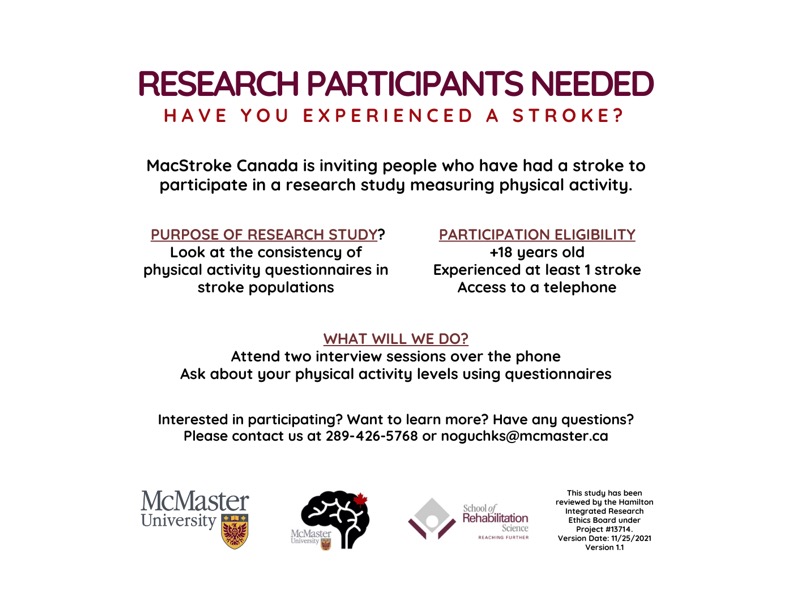
Have you experienced a stroke? View Details
The MacStroke Canada Lab is looking for participants who have experienced a stroke to take part in a study measuring the reliability of physical activity questionnaires. For more information, please contact 289-426-5768 or noguchks@mcmaster.ca.
Have you experienced a stroke? - View Details
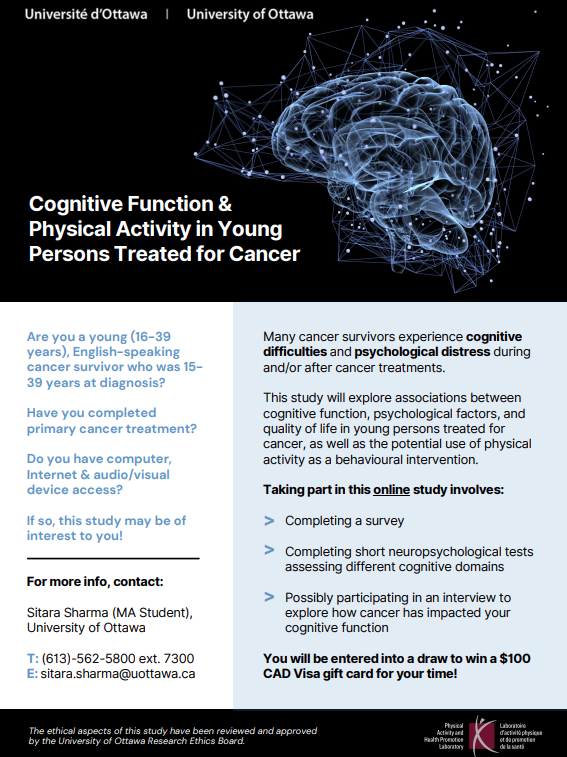
Cognitive function & physical activity in young persons treated for cancer View Details
Many cancer survivors experience cognitive difficulties and psychological distress during and/or after cancer treatments.
This study will explore associations between cognitive function, psychological factors, and quality of life in young persons treated for cancer, as well as the potential use of physical activity as a behavioural intervention.
Cognitive function & physical activity in young persons treated for cancer - View Details
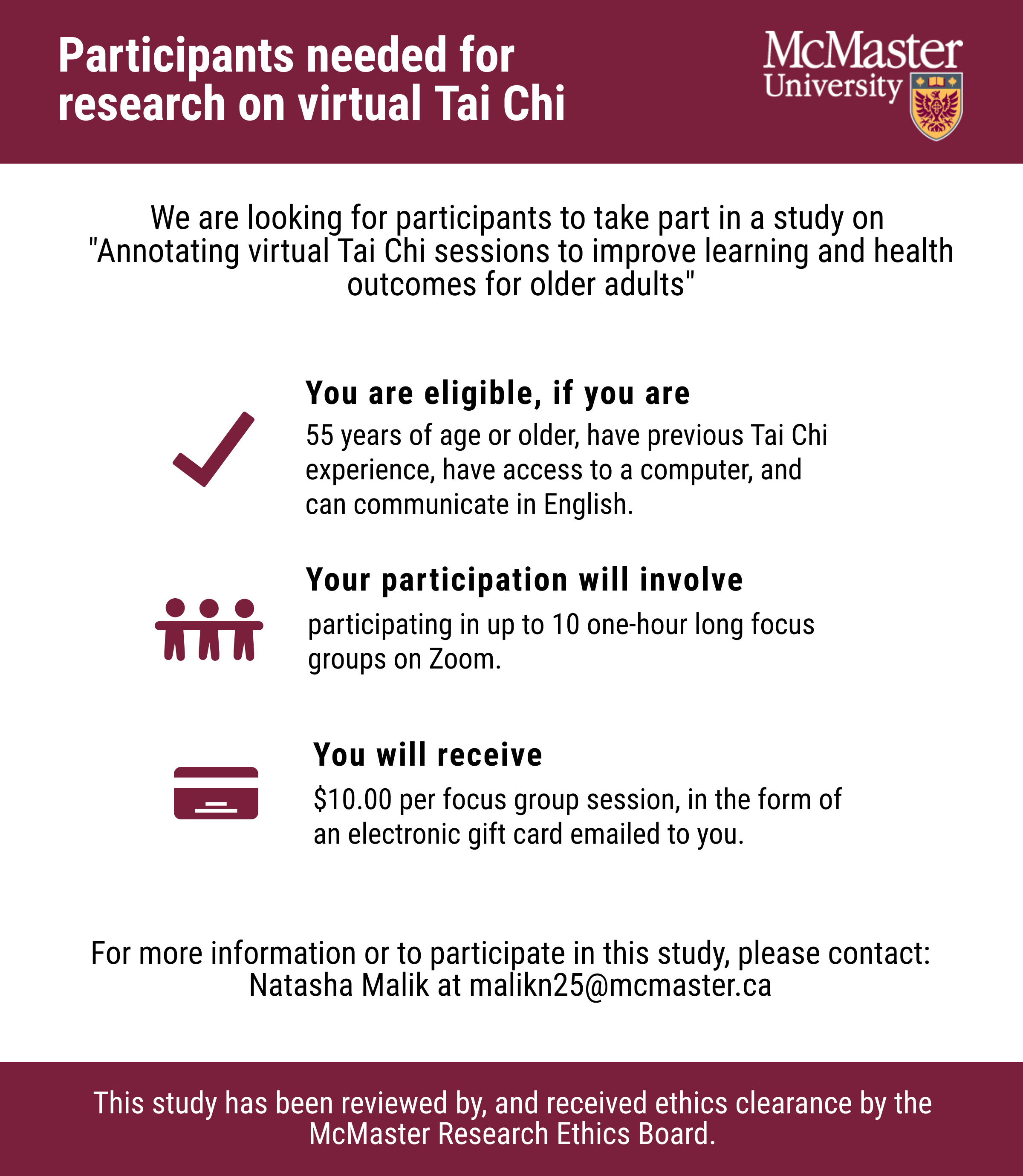
Participants needed for research on virtual Tai Chi View Details
We are looking for participants to take part in a study on “Annotating virtual Tai Chi sessions to improve learning and health outcomes for older adults”.
For more information or to participate in this study, please contact: Natasha Malik at malikn25@mcmaster.ca
Participants needed for research on virtual Tai Chi - View Details
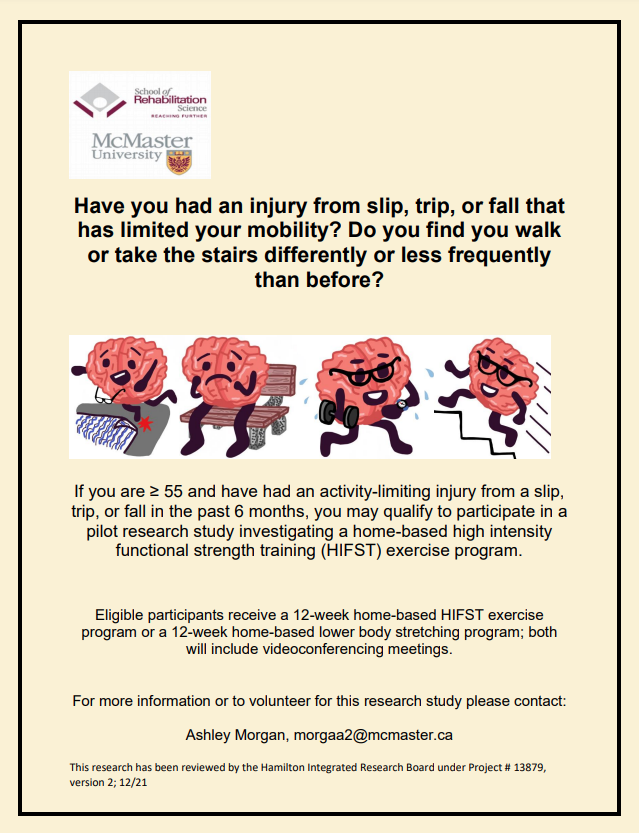
Have you had an injury from slip, trip, or fall that has limited your mobility? View Details
If you are 55+ and have had an activity-limiting injury from a slip,
trip, or fall in the past 6 months, you may qualify to participate in a
pilot research study investigating a home-based high intensity
functional strength training (HIFST) exercise program.
Eligible participants receive a 12-week home-based HIFST exercise
program or a 12-week home-based lower body stretching program; both
will include video conferencing meetings.
For more information or to volunteer for this research study please contact:
Ashley Morgan, morgaa2@mcmaster.ca
Have you had an injury from slip, trip, or fall that has limited your mobility? - View Details
PACE Experts
Meet PACE researchers from McMaster’s Department of Kinesiology and School of Rehabilitation Science

Stuart M. Phillips
Ph.D.
Director of PACE
(on leave)
Professor, Department of Kinesiology
Canada Tier 1 Research Chair



Vladimir Ljubicic
Ph.D.
Canada Research Chair (Tier II) in Neuromuscular Plasticity in Health and Disease




Information Box Group