
Contact Us
Thank you for reaching out to us. Please let us know how we can help and we will get back to you as soon as possible.
Meet our Team
Information Box Group
Charlotte Cabrias
Student Program Assistant
Undergraduate Student (Kinesiology), McMaster University

Charlotte Cabrias
Student Program Assistant
Undergraduate Student (Kinesiology), McMaster University
Glenna Ciraolo
Financial/Accounting Assistant
Glenna Ciraolo
Financial/Accounting Assistant
Glenna recently retired from the Department of Kinesiology after many years of service. She continues to assist the PACE team with financial and administrative duties.
Colleen Cupido
B.PE., B.HSc.(PT), Dip Sport, M.Sc. (Kin), MCPA
Director of Experiential Education and Business Development
(on leave)
Colleen Cupido
Education
- Bachelor of Arts (Physical Education), McMaster University
- Bachelor of Health Sciences (Physical Therapy), McMaster University
- Master of Science (Kinesiology), McMaster University
- Registered Physiotherapist, College of Physiotherapists of Ontario
- Member of the Canadian Physiotherapy Association
- Diploma in Sport Physiotherapy
Prior to joining the Department of Kinesiology in her role as Director of Experiential Learning and Business Development, Colleen was the Clinical Manager of the David Braley Sport Medicine and Rehabilitation Centre for 15 years. She is committed to ongoing professional development and has over 25 years of experience as a Registered Physiotherapist.

Colleen Cupido
B.PE., B.HSc.(PT), Dip Sport, M.Sc. (Kin), MCPA
Director of Experiential Education and Business Development
(on leave)
Andrew Dama
Student Program Assistant
Undergraduate Student (Kinesiology), McMaster University

Andrew Dama
Student Program Assistant
Undergraduate Student (Kinesiology), McMaster University
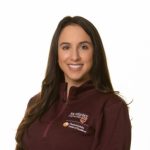
Julia Delvecchio
R.Kin., B.A.Kin., CSEP-CEP
Registered Kinesiologist
Julia Delvecchio, R.Kin, B.A.Kin, CSEP-CEP
Registered Kinesiologist
- Bachelor of Arts (Honours Kinesiology), Brock University
- Exercise Science for Health and Performance Post-Graduate Certificate
- Registered Kinesiologist, College of Kinesiologists of Ontario
- Clinical Exercise Physiologist, Canadian Society for Exercise Physiology
- GPA Certified (Gentle Persuasive Approaches in Dementia Care)
- Mental Health First Aid Certified, McMaster University
Julia has a special interest in assisting older adults and individuals living with chronic disease or disability by improving physical function and quality of life through exercise. Julia’s areas of expertise include: the development and administration of individualized exercise programs designed to improve aerobic capacity and muscular fitness among older adults and individuals living with spinal cord injury, multiple sclerosis, cancer, cardiovascular disease as well as the operation of innovative rehabilitation technology to provide accessible physical activity.
Julia Delvecchio
R.Kin., B.A.Kin., CSEP-CEP
Registered Kinesiologist
Asadel Faisal
Student Program Assistant
Undergraduate Student (Kinesiology), McMaster University
Asadel Faisal
Student Program Assistant
Undergraduate Student (Kinesiology), McMaster University
Lauren Gray
Undergraduate Student (Kinesiology), McMaster University
Student Program Assistant

Lauren Gray
Undergraduate Student (Kinesiology), McMaster University
Student Program Assistant
Jennifer Heisz
Ph.D.
Director (acting)/Faculty Advisor
My research program examines the interplay between brain and body fitness in the promotion of health.
I use brain-imaging methods to explore how neural network dynamics are affected by physical exercise and cognitive interventions for young adults, healthy older adults, and older adults with mild cognitive impairment (MCI). A key question is whether cognitive-physical interventions target a particular cognitive ability or generalize to everyday functioning. An important clinical application of my work is to establish neural biomarkers as screening protocols for the early detection of neurodegenerative disorders such as Alzheimer’s disease and other dementias.
By conducting research among exercisers in PACE community programs—such as the MacSeniors—I am able to study the long-term effects of regular physical exercise on cognitive health. Specifically, my research in PACE focuses on understanding the long-term benefits of exercise on measures of cognitive health, by assessing exercisers’ cognitive performance at regular intervals. This research will help to determine the optimal dose and type of exercise that mitigates cognitive decline in healthy older adults and individuals with mild cognitive impairment. The ultimate goal of my research program is to understand how lifestyle choices such as exercise can be used for disease prevention.

Grace Lamont
Student Program Assistant
Undergraduate Student (Kinesiology), McMaster University
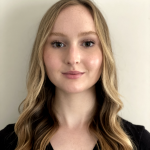
Grace Lamont
Student Program Assistant
Undergraduate Student (Kinesiology), McMaster University
Marianne Longo
B.Sc.Kin., B.HSc.(PT)
Physiotherapist
Marianne Longo
Registered Physiotherapist
- Bachelor of Science (Honours Kinesiology Co-op), University of Waterloo
- Bachelor of Health Sciences (Physical Therapy), McMaster University
- Registered Physiotherapist, College of Physiotherapists of Ontario
Marianne has over 15 years of experience providing compassionate and skilled therapy for older adults. Prior to joining the PACE team, she has worked in St. Peter’s Hospital, long term care and retirement settings developing a passion and dedication to the care of older adults. Marianne continues to find tremendous satisfaction and joy in continuing to develop her skills and expand her knowledge of the art and science of physiotherapy.
Marianne’s areas of special interest include balance and mobility training for older adults and persons living with neurological conditions. She practices a functional approach to rehabilitation focusing on exercise-based therapy to help clients achieve their goals.

Paula McBurney
R.Kin., B.Sc.Kin., ACSM/ACS-CET
Program Coordinator/Registered Kinesiologist
Paula Bochnak, R.Kin, B.Sc.Kin.
Registered Kinesiologist
- Bachelor of Science (Honours Kinesiology), McMaster University
- Registered Kinesiologist, College of Kinesiologists of Ontario
- Mental Health First Aid Certified, McMaster University
- Certified Cancer Exercise Trainer, American College of Sports Medicine/American Cancer Society
Throughout her undergraduate studies, Paula gained valuable clinical experience first volunteering, and then working as a Student Program Assistant with the cardiac rehabilitation, cancer rehabilitation, and seniors wellness exercise programs. Paula has worked as a Registered Kinesiologist at PACE since 2017. She is passionate about student mentorship and guiding students’ application of academic knowledge into clinical practice. Paula recently completed the Cancer Exercise Trainer course through the American College of Sports Medicine to further her understanding of the role of exercise in cancer rehabilitation.
Paula also has experience working in the Vascular Dynamics Lab, in the Department of Kinesiology at McMaster.
Paula McBurney
R.Kin., B.Sc.Kin., ACSM/ACS-CET
Program Coordinator/Registered Kinesiologist
Angelica McQuarrie
R.Kin, M.Sc., CSEP/ACSM-CEP, ACSM/ACS-CET
Program Manager, Kinesiology
(on leave)
Angelica McQuarrie, R.Kin, M.Sc., B.Sc.Kin, ACSM-CEP, ACSM/ACS-CET
Registered Kinesiologist & Program Coordinator
- Bachelor of Science (Honours Kinesiology), McMaster University
- Master of Science (Rehabilitation Science), McMaster University
- Registered Kinesiologist, College of Kinesiologists of Ontario
- Certified Clinical Exercise Physiologist, American College of Sports Medicine
- Certified Cancer Exercise Trainer, American College of Sports Medicine/American Cancer Society
- Clinical Management Certificate, The Michener Institute
- Mental Health First Aid Certified, McMaster University
- GLA:D-Canada Certified Instructor
Angelica first became involved at PACE as a student volunteer in 2008 and continued to work at PACE through McMaster’s Work Study Program during her undergraduate studies in the Department of Kinesiology. Following graduation, Angelica transitioned to a full-time role at PACE while completing certification courses through the American College of Sports Medicine. She then pursued graduate studies in Rehabilitation Science while continuing to work at PACE as a Registered Kinesiologist. Her research focused on how long-term enrollment in PACE’s MacSeniors program affects fitness in older adults. As Angelica’s role at PACE continued to grow, she completed a graduate certificate in Clinical Management. Angelica is committed to lifelong learning and she has a keen interest in the role of exercise in the management of chronic diseases.

Angelica McQuarrie
R.Kin, M.Sc., CSEP/ACSM-CEP, ACSM/ACS-CET
Program Manager, Kinesiology
(on leave)
Clare Noseworthy
Student Program Assistant
Undergraduate Student (Kinesiology), McMaster University
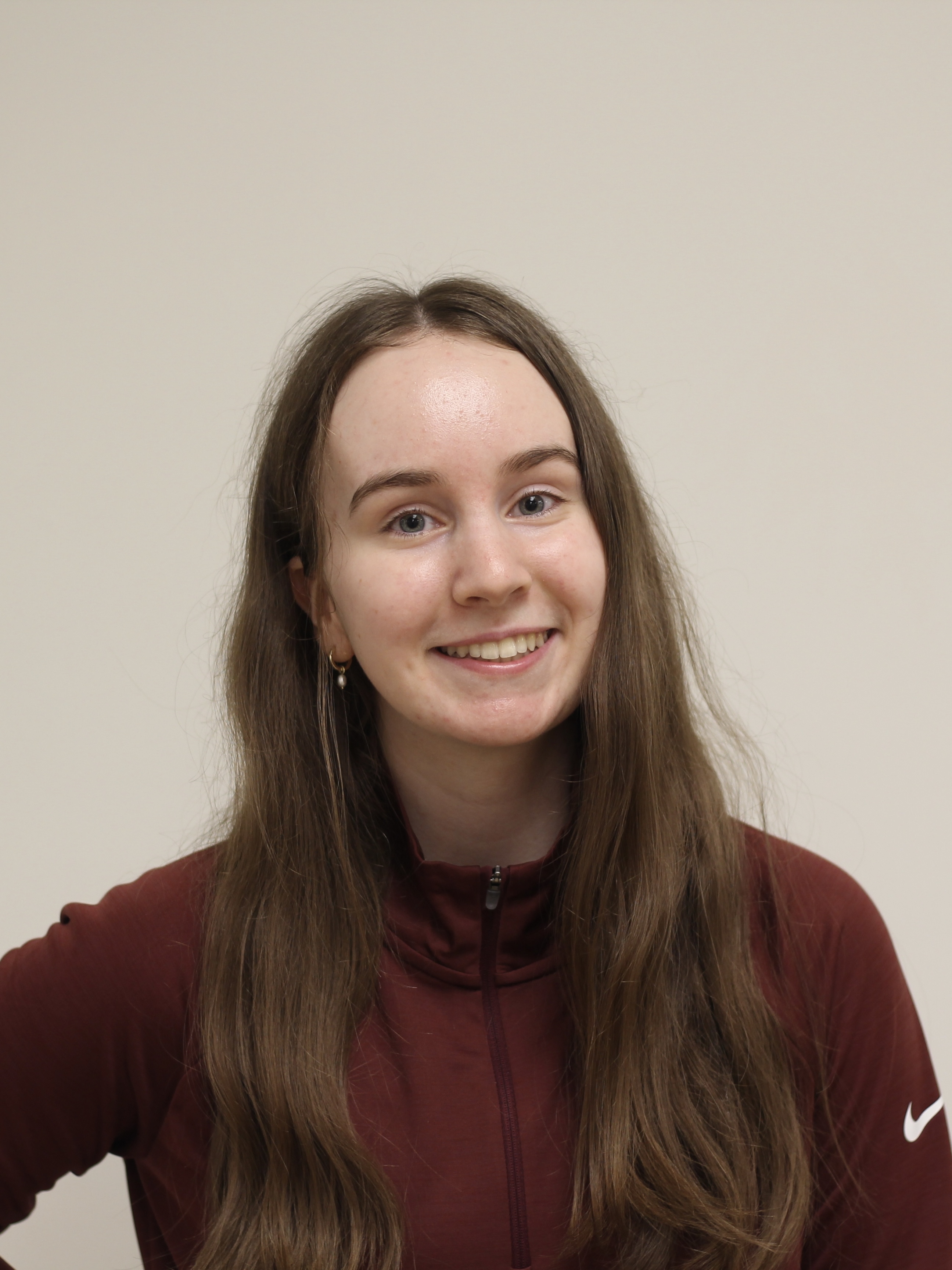
Clare Noseworthy
Student Program Assistant
Undergraduate Student (Kinesiology), McMaster University
Nathan Oliphant
Student Program Assistant
Graduate Student (Kinesiology), McMaster University
Nathan Oliphant
Student Program Assistant
Graduate Student (Kinesiology), McMaster University
Katherine Ottewell
Program Administrator
Katherine Ottewell
Program Administrator
- Mental Health First Aid Certified, McMaster University
Kate’s expertise centers on customer service, administration, and fundraising. Kate joined the team at PACE in 2016 and her role involves administration and operation of the PACE Reception Desk.

Nelani Paramanantharajah
Student Program Assistant
Graduate Student (Rehabilitation Science), McMaster University
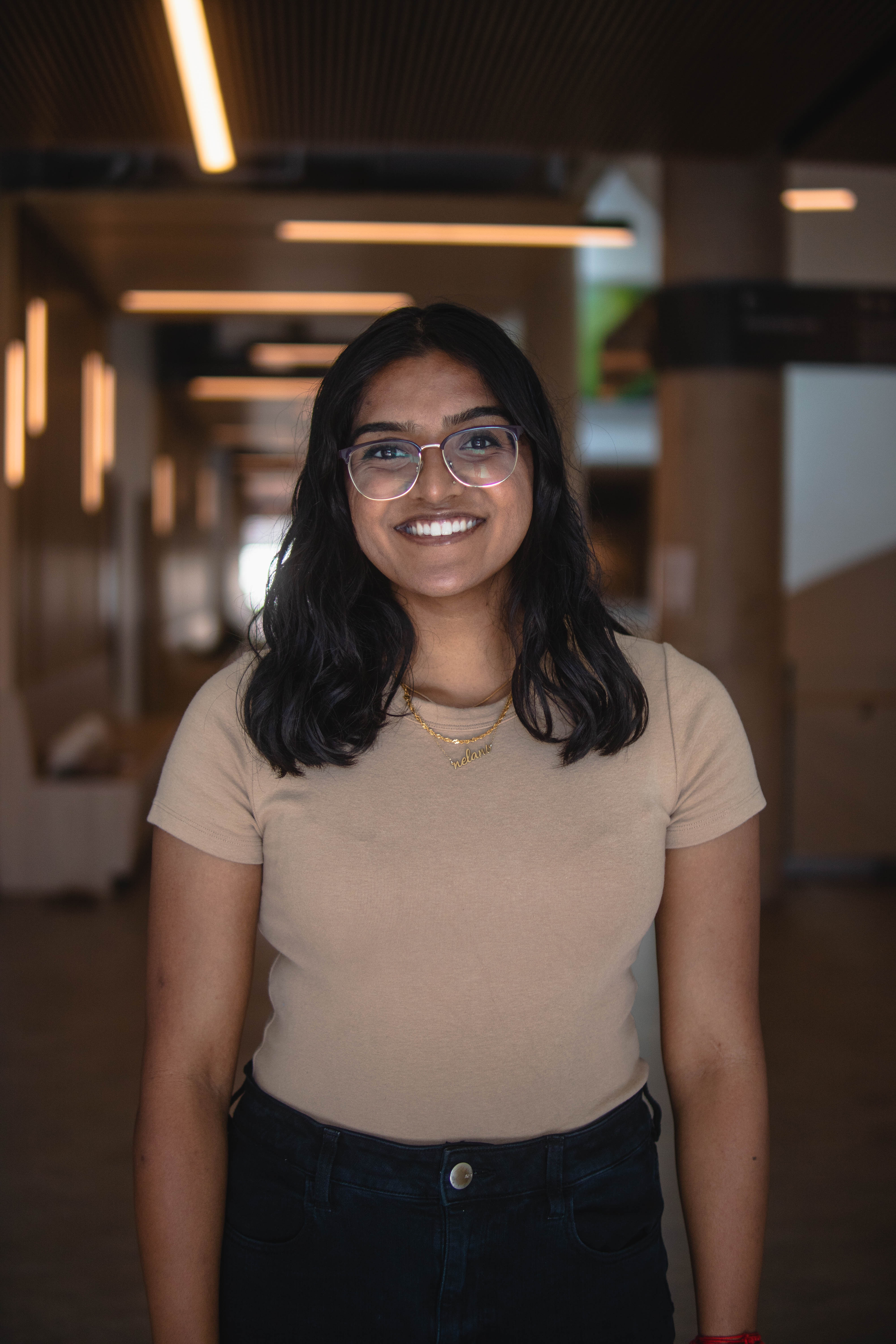
Nelani Paramanantharajah
Student Program Assistant
Graduate Student (Rehabilitation Science), McMaster University
Stuart M. Phillips
Ph.D.
Director of PACE
(on leave)
Professor, Department of Kinesiology
Canada Tier 1 Research Chair
Stuart Phillips, Ph.D., M.Sc., B.Sc.
PACE Director, Professor in the Department of Kinesiology, Tier 1 Canada Research Chair
- Bachelor of Science, McMaster University
- Master of Science, McMaster University
- Doctor of Philosophy, University of Waterloo
My research program focuses on the following research question: what factors serve to maintain, increase, or decrease skeletal muscle mass?
In addition, my research does not only address the absolute mass of skeletal muscle, but also its quality as assessed by the quantity of force it can generate, but also by the metabolic activity of various enzymes and energy consuming pathways. In my lab, we use a human model of resistance or aerobic exercise, immobilization, or aging to study the processes that govern: muscle accretion, in the case of resistance exercise; atrophy, in the case of immobilization; and sarcopenia, in the case of aging. In addition, my research group has studied the interaction of feeding different protein composition and varied meal timing on the processes regulating hypertrophy and disuse atrophy. We employ stable isotope tracers of amino acids to metabolically trace the fate of ingested proteins. Muscle biopsies provide us with mechanistic information regarding processes that regulate protein accretion and degradation. We use Western blotting, RT-PCR, histological, and immunohistochemical methods to examine these mechanisms. I am also very interested in conditions in which muscle wasting occurs, particularly in the elderly.
My research activities in the PACE are centred on projects that look at how nutrition and exercise interact to affect strength and muscle mass in older people or in persons with chronic disease such as type 2 diabetes or obesity. For example, one study examines the effects of short-term training among people with pre-diabetes consuming a diet with or without dairy. Another training study involving older adults, has examined the effects of post-workout dairy consumption.
Stuart M. Phillips
Ph.D.
Director of PACE
(on leave)
Professor, Department of Kinesiology
Canada Tier 1 Research Chair
Anaikh Randhawa
Student Program Assistant
Undergraduate Student (Kinesiology), McMaster University
Anaikh Randhawa
Student Program Assistant
Undergraduate Student (Kinesiology), McMaster University
Kimiya Saleh Jooneghani
Student Program Assistant
Undergraduate Student (Kinesiology), McMaster University
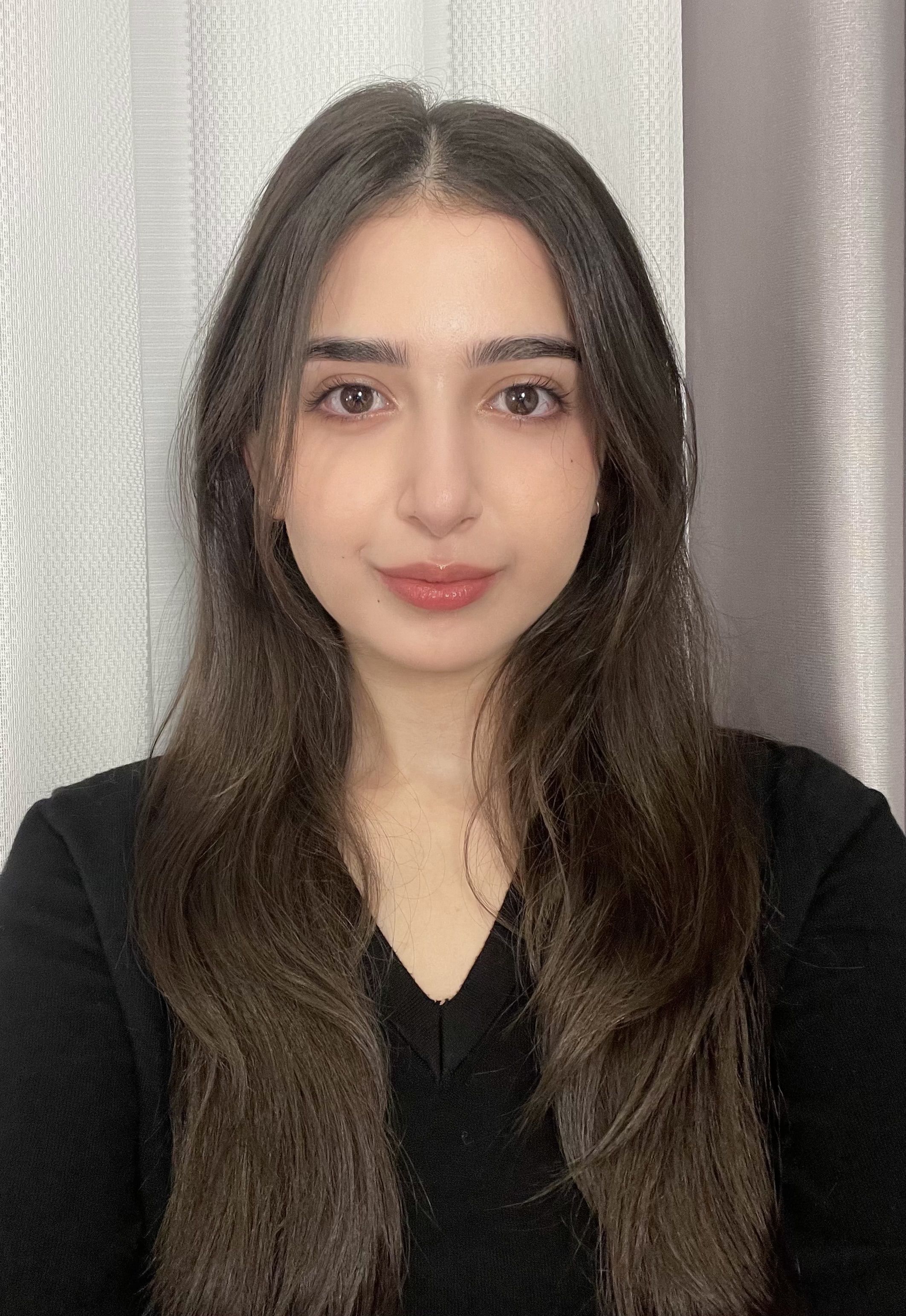
Kimiya Saleh Jooneghani
Student Program Assistant
Undergraduate Student (Kinesiology), McMaster University
James Teel
Student Program Assistant
Undergraduate Student (Kinesiology), McMaster University
James Teel
Student Program Assistant
Undergraduate Student (Kinesiology), McMaster University
David Yi
Associate Director/Faculty Advisor
David Yi
I am passionate about conducting collaborative and transformative interdisciplinary studies to promote equity, diversity, and inclusion in physical activity participation. Employing community engaged methodologies, I seek opportunities for everyone to pursue active lifestyles that enhance their health and well-being in various contexts of human movement. Four areas of research focus are:
- Identification of systemic and personal barriers to physical activity by collecting and representing “unheard” or “silenced” lived stories of marginalized and oppressed groups and individuals;
- Identification of effective and ethically framed professional practices that promote access and social inclusion, cultural sustainability, and respectful reconciliation in working with equity deserving groups and individuals;
- Identification of actionable solutions based on both the scientific evidence and the perspective of persons who experience inequities and social injustices in physical activity participation; and
- Promotion of direct social change through community building and engagement in research, practice, and knowledge mobilization.
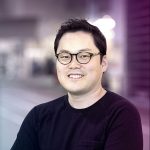
Dan Zervos
M.Sc. (PT), B.Sc.Kin.
Physiotherapist
(on leave)
Dan Zervos
Registered Physiotherapist
- Bachelor of Science (Honours Kinesiology), McMaster University
- Master of Science (Physical Therapy), McMaster University
- Registered Physiotherapist, College of Physiotherapists of Ontario
Dan has a strong background in exercise prescription and the rehabilitation of chronic orthopedic and sport-related injuries. He is trained in Manual Therapy and Acupuncture. Dan worked at PACE during his undergraduate studies and returned as a Registered Physiotherapist with the MacWarriors Cancer Exercise Program in 2016.
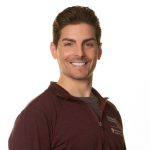
Charlotte Cabrias
Student Program Assistant
Undergraduate Student (Kinesiology), McMaster University
Charlotte Cabrias
Student Program Assistant
Undergraduate Student (Kinesiology), McMaster University
Glenna Ciraolo
Financial/Accounting Assistant
Glenna Ciraolo
Financial/Accounting Assistant
Glenna recently retired from the Department of Kinesiology after many years of service. She continues to assist the PACE team with financial and administrative duties.
Glenna Ciraolo
Financial/Accounting Assistant
Glenna Ciraolo
Financial/Accounting Assistant
Glenna recently retired from the Department of Kinesiology after many years of service. She continues to assist the PACE team with financial and administrative duties.
Colleen Cupido
B.PE., B.HSc.(PT), Dip Sport, M.Sc. (Kin), MCPA
Director of Experiential Education and Business Development
(on leave)
Colleen Cupido
Education
- Bachelor of Arts (Physical Education), McMaster University
- Bachelor of Health Sciences (Physical Therapy), McMaster University
- Master of Science (Kinesiology), McMaster University
- Registered Physiotherapist, College of Physiotherapists of Ontario
- Member of the Canadian Physiotherapy Association
- Diploma in Sport Physiotherapy
Prior to joining the Department of Kinesiology in her role as Director of Experiential Learning and Business Development, Colleen was the Clinical Manager of the David Braley Sport Medicine and Rehabilitation Centre for 15 years. She is committed to ongoing professional development and has over 25 years of experience as a Registered Physiotherapist.
Colleen Cupido
B.PE., B.HSc.(PT), Dip Sport, M.Sc. (Kin), MCPA
Director of Experiential Education and Business Development
(on leave)
Colleen Cupido
Education
- Bachelor of Arts (Physical Education), McMaster University
- Bachelor of Health Sciences (Physical Therapy), McMaster University
- Master of Science (Kinesiology), McMaster University
- Registered Physiotherapist, College of Physiotherapists of Ontario
- Member of the Canadian Physiotherapy Association
- Diploma in Sport Physiotherapy
Prior to joining the Department of Kinesiology in her role as Director of Experiential Learning and Business Development, Colleen was the Clinical Manager of the David Braley Sport Medicine and Rehabilitation Centre for 15 years. She is committed to ongoing professional development and has over 25 years of experience as a Registered Physiotherapist.
Andrew Dama
Student Program Assistant
Undergraduate Student (Kinesiology), McMaster University
Andrew Dama
Student Program Assistant
Undergraduate Student (Kinesiology), McMaster University
Julia Delvecchio
R.Kin., B.A.Kin., CSEP-CEP
Registered Kinesiologist
Julia Delvecchio, R.Kin, B.A.Kin, CSEP-CEP
Registered Kinesiologist
- Bachelor of Arts (Honours Kinesiology), Brock University
- Exercise Science for Health and Performance Post-Graduate Certificate
- Registered Kinesiologist, College of Kinesiologists of Ontario
- Clinical Exercise Physiologist, Canadian Society for Exercise Physiology
- GPA Certified (Gentle Persuasive Approaches in Dementia Care)
- Mental Health First Aid Certified, McMaster University
Julia has a special interest in assisting older adults and individuals living with chronic disease or disability by improving physical function and quality of life through exercise. Julia’s areas of expertise include: the development and administration of individualized exercise programs designed to improve aerobic capacity and muscular fitness among older adults and individuals living with spinal cord injury, multiple sclerosis, cancer, cardiovascular disease as well as the operation of innovative rehabilitation technology to provide accessible physical activity.
Julia Delvecchio
R.Kin., B.A.Kin., CSEP-CEP
Registered Kinesiologist
Julia Delvecchio, R.Kin, B.A.Kin, CSEP-CEP
Registered Kinesiologist
- Bachelor of Arts (Honours Kinesiology), Brock University
- Exercise Science for Health and Performance Post-Graduate Certificate
- Registered Kinesiologist, College of Kinesiologists of Ontario
- Clinical Exercise Physiologist, Canadian Society for Exercise Physiology
- GPA Certified (Gentle Persuasive Approaches in Dementia Care)
- Mental Health First Aid Certified, McMaster University
Julia has a special interest in assisting older adults and individuals living with chronic disease or disability by improving physical function and quality of life through exercise. Julia’s areas of expertise include: the development and administration of individualized exercise programs designed to improve aerobic capacity and muscular fitness among older adults and individuals living with spinal cord injury, multiple sclerosis, cancer, cardiovascular disease as well as the operation of innovative rehabilitation technology to provide accessible physical activity.
Asadel Faisal
Student Program Assistant
Undergraduate Student (Kinesiology), McMaster University
Asadel Faisal
Student Program Assistant
Undergraduate Student (Kinesiology), McMaster University
Lauren Gray
Undergraduate Student (Kinesiology), McMaster University
Student Program Assistant
Lauren Gray
Undergraduate Student (Kinesiology), McMaster University
Student Program Assistant
Jennifer Heisz
Ph.D.
Director (acting)/Faculty Advisor
My research program examines the interplay between brain and body fitness in the promotion of health.
I use brain-imaging methods to explore how neural network dynamics are affected by physical exercise and cognitive interventions for young adults, healthy older adults, and older adults with mild cognitive impairment (MCI). A key question is whether cognitive-physical interventions target a particular cognitive ability or generalize to everyday functioning. An important clinical application of my work is to establish neural biomarkers as screening protocols for the early detection of neurodegenerative disorders such as Alzheimer’s disease and other dementias.
By conducting research among exercisers in PACE community programs—such as the MacSeniors—I am able to study the long-term effects of regular physical exercise on cognitive health. Specifically, my research in PACE focuses on understanding the long-term benefits of exercise on measures of cognitive health, by assessing exercisers’ cognitive performance at regular intervals. This research will help to determine the optimal dose and type of exercise that mitigates cognitive decline in healthy older adults and individuals with mild cognitive impairment. The ultimate goal of my research program is to understand how lifestyle choices such as exercise can be used for disease prevention.
Jennifer Heisz
Ph.D.
Director (acting)/Faculty Advisor
My research program examines the interplay between brain and body fitness in the promotion of health.
I use brain-imaging methods to explore how neural network dynamics are affected by physical exercise and cognitive interventions for young adults, healthy older adults, and older adults with mild cognitive impairment (MCI). A key question is whether cognitive-physical interventions target a particular cognitive ability or generalize to everyday functioning. An important clinical application of my work is to establish neural biomarkers as screening protocols for the early detection of neurodegenerative disorders such as Alzheimer’s disease and other dementias.
By conducting research among exercisers in PACE community programs—such as the MacSeniors—I am able to study the long-term effects of regular physical exercise on cognitive health. Specifically, my research in PACE focuses on understanding the long-term benefits of exercise on measures of cognitive health, by assessing exercisers’ cognitive performance at regular intervals. This research will help to determine the optimal dose and type of exercise that mitigates cognitive decline in healthy older adults and individuals with mild cognitive impairment. The ultimate goal of my research program is to understand how lifestyle choices such as exercise can be used for disease prevention.
Grace Lamont
Student Program Assistant
Undergraduate Student (Kinesiology), McMaster University
Grace Lamont
Student Program Assistant
Undergraduate Student (Kinesiology), McMaster University
Marianne Longo
B.Sc.Kin., B.HSc.(PT)
Physiotherapist
Marianne Longo
Registered Physiotherapist
- Bachelor of Science (Honours Kinesiology Co-op), University of Waterloo
- Bachelor of Health Sciences (Physical Therapy), McMaster University
- Registered Physiotherapist, College of Physiotherapists of Ontario
Marianne has over 15 years of experience providing compassionate and skilled therapy for older adults. Prior to joining the PACE team, she has worked in St. Peter’s Hospital, long term care and retirement settings developing a passion and dedication to the care of older adults. Marianne continues to find tremendous satisfaction and joy in continuing to develop her skills and expand her knowledge of the art and science of physiotherapy.
Marianne’s areas of special interest include balance and mobility training for older adults and persons living with neurological conditions. She practices a functional approach to rehabilitation focusing on exercise-based therapy to help clients achieve their goals.
Marianne Longo
B.Sc.Kin., B.HSc.(PT)
Physiotherapist
Marianne Longo
Registered Physiotherapist
- Bachelor of Science (Honours Kinesiology Co-op), University of Waterloo
- Bachelor of Health Sciences (Physical Therapy), McMaster University
- Registered Physiotherapist, College of Physiotherapists of Ontario
Marianne has over 15 years of experience providing compassionate and skilled therapy for older adults. Prior to joining the PACE team, she has worked in St. Peter’s Hospital, long term care and retirement settings developing a passion and dedication to the care of older adults. Marianne continues to find tremendous satisfaction and joy in continuing to develop her skills and expand her knowledge of the art and science of physiotherapy.
Marianne’s areas of special interest include balance and mobility training for older adults and persons living with neurological conditions. She practices a functional approach to rehabilitation focusing on exercise-based therapy to help clients achieve their goals.
Paula McBurney
R.Kin., B.Sc.Kin., ACSM/ACS-CET
Program Coordinator/Registered Kinesiologist
Paula Bochnak, R.Kin, B.Sc.Kin.
Registered Kinesiologist
- Bachelor of Science (Honours Kinesiology), McMaster University
- Registered Kinesiologist, College of Kinesiologists of Ontario
- Mental Health First Aid Certified, McMaster University
- Certified Cancer Exercise Trainer, American College of Sports Medicine/American Cancer Society
Throughout her undergraduate studies, Paula gained valuable clinical experience first volunteering, and then working as a Student Program Assistant with the cardiac rehabilitation, cancer rehabilitation, and seniors wellness exercise programs. Paula has worked as a Registered Kinesiologist at PACE since 2017. She is passionate about student mentorship and guiding students’ application of academic knowledge into clinical practice. Paula recently completed the Cancer Exercise Trainer course through the American College of Sports Medicine to further her understanding of the role of exercise in cancer rehabilitation.
Paula also has experience working in the Vascular Dynamics Lab, in the Department of Kinesiology at McMaster.
Paula McBurney
R.Kin., B.Sc.Kin., ACSM/ACS-CET
Program Coordinator/Registered Kinesiologist
Paula Bochnak, R.Kin, B.Sc.Kin.
Registered Kinesiologist
- Bachelor of Science (Honours Kinesiology), McMaster University
- Registered Kinesiologist, College of Kinesiologists of Ontario
- Mental Health First Aid Certified, McMaster University
- Certified Cancer Exercise Trainer, American College of Sports Medicine/American Cancer Society
Throughout her undergraduate studies, Paula gained valuable clinical experience first volunteering, and then working as a Student Program Assistant with the cardiac rehabilitation, cancer rehabilitation, and seniors wellness exercise programs. Paula has worked as a Registered Kinesiologist at PACE since 2017. She is passionate about student mentorship and guiding students’ application of academic knowledge into clinical practice. Paula recently completed the Cancer Exercise Trainer course through the American College of Sports Medicine to further her understanding of the role of exercise in cancer rehabilitation.
Paula also has experience working in the Vascular Dynamics Lab, in the Department of Kinesiology at McMaster.
Angelica McQuarrie
R.Kin, M.Sc., CSEP/ACSM-CEP, ACSM/ACS-CET
Program Manager, Kinesiology
(on leave)
Angelica McQuarrie, R.Kin, M.Sc., B.Sc.Kin, ACSM-CEP, ACSM/ACS-CET
Registered Kinesiologist & Program Coordinator
- Bachelor of Science (Honours Kinesiology), McMaster University
- Master of Science (Rehabilitation Science), McMaster University
- Registered Kinesiologist, College of Kinesiologists of Ontario
- Certified Clinical Exercise Physiologist, American College of Sports Medicine
- Certified Cancer Exercise Trainer, American College of Sports Medicine/American Cancer Society
- Clinical Management Certificate, The Michener Institute
- Mental Health First Aid Certified, McMaster University
- GLA:D-Canada Certified Instructor
Angelica first became involved at PACE as a student volunteer in 2008 and continued to work at PACE through McMaster’s Work Study Program during her undergraduate studies in the Department of Kinesiology. Following graduation, Angelica transitioned to a full-time role at PACE while completing certification courses through the American College of Sports Medicine. She then pursued graduate studies in Rehabilitation Science while continuing to work at PACE as a Registered Kinesiologist. Her research focused on how long-term enrollment in PACE’s MacSeniors program affects fitness in older adults. As Angelica’s role at PACE continued to grow, she completed a graduate certificate in Clinical Management. Angelica is committed to lifelong learning and she has a keen interest in the role of exercise in the management of chronic diseases.
Angelica McQuarrie
R.Kin, M.Sc., CSEP/ACSM-CEP, ACSM/ACS-CET
Program Manager, Kinesiology
(on leave)
Angelica McQuarrie, R.Kin, M.Sc., B.Sc.Kin, ACSM-CEP, ACSM/ACS-CET
Registered Kinesiologist & Program Coordinator
- Bachelor of Science (Honours Kinesiology), McMaster University
- Master of Science (Rehabilitation Science), McMaster University
- Registered Kinesiologist, College of Kinesiologists of Ontario
- Certified Clinical Exercise Physiologist, American College of Sports Medicine
- Certified Cancer Exercise Trainer, American College of Sports Medicine/American Cancer Society
- Clinical Management Certificate, The Michener Institute
- Mental Health First Aid Certified, McMaster University
- GLA:D-Canada Certified Instructor
Angelica first became involved at PACE as a student volunteer in 2008 and continued to work at PACE through McMaster’s Work Study Program during her undergraduate studies in the Department of Kinesiology. Following graduation, Angelica transitioned to a full-time role at PACE while completing certification courses through the American College of Sports Medicine. She then pursued graduate studies in Rehabilitation Science while continuing to work at PACE as a Registered Kinesiologist. Her research focused on how long-term enrollment in PACE’s MacSeniors program affects fitness in older adults. As Angelica’s role at PACE continued to grow, she completed a graduate certificate in Clinical Management. Angelica is committed to lifelong learning and she has a keen interest in the role of exercise in the management of chronic diseases.
Clare Noseworthy
Student Program Assistant
Undergraduate Student (Kinesiology), McMaster University
Clare Noseworthy
Student Program Assistant
Undergraduate Student (Kinesiology), McMaster University
Nathan Oliphant
Student Program Assistant
Graduate Student (Kinesiology), McMaster University
Nathan Oliphant
Student Program Assistant
Graduate Student (Kinesiology), McMaster University
Katherine Ottewell
Program Administrator
Katherine Ottewell
Program Administrator
- Mental Health First Aid Certified, McMaster University
Kate’s expertise centers on customer service, administration, and fundraising. Kate joined the team at PACE in 2016 and her role involves administration and operation of the PACE Reception Desk.
Katherine Ottewell
Program Administrator
Katherine Ottewell
Program Administrator
- Mental Health First Aid Certified, McMaster University
Kate’s expertise centers on customer service, administration, and fundraising. Kate joined the team at PACE in 2016 and her role involves administration and operation of the PACE Reception Desk.
Nelani Paramanantharajah
Student Program Assistant
Graduate Student (Rehabilitation Science), McMaster University
Nelani Paramanantharajah
Student Program Assistant
Graduate Student (Rehabilitation Science), McMaster University
Stuart M. Phillips
Ph.D.
Director of PACE
(on leave)
Professor, Department of Kinesiology
Canada Tier 1 Research Chair
Stuart Phillips, Ph.D., M.Sc., B.Sc.
PACE Director, Professor in the Department of Kinesiology, Tier 1 Canada Research Chair
- Bachelor of Science, McMaster University
- Master of Science, McMaster University
- Doctor of Philosophy, University of Waterloo
My research program focuses on the following research question: what factors serve to maintain, increase, or decrease skeletal muscle mass?
In addition, my research does not only address the absolute mass of skeletal muscle, but also its quality as assessed by the quantity of force it can generate, but also by the metabolic activity of various enzymes and energy consuming pathways. In my lab, we use a human model of resistance or aerobic exercise, immobilization, or aging to study the processes that govern: muscle accretion, in the case of resistance exercise; atrophy, in the case of immobilization; and sarcopenia, in the case of aging. In addition, my research group has studied the interaction of feeding different protein composition and varied meal timing on the processes regulating hypertrophy and disuse atrophy. We employ stable isotope tracers of amino acids to metabolically trace the fate of ingested proteins. Muscle biopsies provide us with mechanistic information regarding processes that regulate protein accretion and degradation. We use Western blotting, RT-PCR, histological, and immunohistochemical methods to examine these mechanisms. I am also very interested in conditions in which muscle wasting occurs, particularly in the elderly.
My research activities in the PACE are centred on projects that look at how nutrition and exercise interact to affect strength and muscle mass in older people or in persons with chronic disease such as type 2 diabetes or obesity. For example, one study examines the effects of short-term training among people with pre-diabetes consuming a diet with or without dairy. Another training study involving older adults, has examined the effects of post-workout dairy consumption.
Stuart M. Phillips
Ph.D.
Director of PACE
(on leave)
Professor, Department of Kinesiology
Canada Tier 1 Research Chair
Stuart Phillips, Ph.D., M.Sc., B.Sc.
PACE Director, Professor in the Department of Kinesiology, Tier 1 Canada Research Chair
- Bachelor of Science, McMaster University
- Master of Science, McMaster University
- Doctor of Philosophy, University of Waterloo
My research program focuses on the following research question: what factors serve to maintain, increase, or decrease skeletal muscle mass?
In addition, my research does not only address the absolute mass of skeletal muscle, but also its quality as assessed by the quantity of force it can generate, but also by the metabolic activity of various enzymes and energy consuming pathways. In my lab, we use a human model of resistance or aerobic exercise, immobilization, or aging to study the processes that govern: muscle accretion, in the case of resistance exercise; atrophy, in the case of immobilization; and sarcopenia, in the case of aging. In addition, my research group has studied the interaction of feeding different protein composition and varied meal timing on the processes regulating hypertrophy and disuse atrophy. We employ stable isotope tracers of amino acids to metabolically trace the fate of ingested proteins. Muscle biopsies provide us with mechanistic information regarding processes that regulate protein accretion and degradation. We use Western blotting, RT-PCR, histological, and immunohistochemical methods to examine these mechanisms. I am also very interested in conditions in which muscle wasting occurs, particularly in the elderly.
My research activities in the PACE are centred on projects that look at how nutrition and exercise interact to affect strength and muscle mass in older people or in persons with chronic disease such as type 2 diabetes or obesity. For example, one study examines the effects of short-term training among people with pre-diabetes consuming a diet with or without dairy. Another training study involving older adults, has examined the effects of post-workout dairy consumption.
Anaikh Randhawa
Student Program Assistant
Undergraduate Student (Kinesiology), McMaster University
Anaikh Randhawa
Student Program Assistant
Undergraduate Student (Kinesiology), McMaster University
Kimiya Saleh Jooneghani
Student Program Assistant
Undergraduate Student (Kinesiology), McMaster University
Kimiya Saleh Jooneghani
Student Program Assistant
Undergraduate Student (Kinesiology), McMaster University
James Teel
Student Program Assistant
Undergraduate Student (Kinesiology), McMaster University
James Teel
Student Program Assistant
Undergraduate Student (Kinesiology), McMaster University
David Yi
Associate Director/Faculty Advisor
David Yi
I am passionate about conducting collaborative and transformative interdisciplinary studies to promote equity, diversity, and inclusion in physical activity participation. Employing community engaged methodologies, I seek opportunities for everyone to pursue active lifestyles that enhance their health and well-being in various contexts of human movement. Four areas of research focus are:
- Identification of systemic and personal barriers to physical activity by collecting and representing “unheard” or “silenced” lived stories of marginalized and oppressed groups and individuals;
- Identification of effective and ethically framed professional practices that promote access and social inclusion, cultural sustainability, and respectful reconciliation in working with equity deserving groups and individuals;
- Identification of actionable solutions based on both the scientific evidence and the perspective of persons who experience inequities and social injustices in physical activity participation; and
- Promotion of direct social change through community building and engagement in research, practice, and knowledge mobilization.
David Yi
Associate Director/Faculty Advisor
David Yi
I am passionate about conducting collaborative and transformative interdisciplinary studies to promote equity, diversity, and inclusion in physical activity participation. Employing community engaged methodologies, I seek opportunities for everyone to pursue active lifestyles that enhance their health and well-being in various contexts of human movement. Four areas of research focus are:
- Identification of systemic and personal barriers to physical activity by collecting and representing “unheard” or “silenced” lived stories of marginalized and oppressed groups and individuals;
- Identification of effective and ethically framed professional practices that promote access and social inclusion, cultural sustainability, and respectful reconciliation in working with equity deserving groups and individuals;
- Identification of actionable solutions based on both the scientific evidence and the perspective of persons who experience inequities and social injustices in physical activity participation; and
- Promotion of direct social change through community building and engagement in research, practice, and knowledge mobilization.
Dan Zervos
M.Sc. (PT), B.Sc.Kin.
Physiotherapist
(on leave)
Dan Zervos
Registered Physiotherapist
- Bachelor of Science (Honours Kinesiology), McMaster University
- Master of Science (Physical Therapy), McMaster University
- Registered Physiotherapist, College of Physiotherapists of Ontario
Dan has a strong background in exercise prescription and the rehabilitation of chronic orthopedic and sport-related injuries. He is trained in Manual Therapy and Acupuncture. Dan worked at PACE during his undergraduate studies and returned as a Registered Physiotherapist with the MacWarriors Cancer Exercise Program in 2016.
Dan Zervos
M.Sc. (PT), B.Sc.Kin.
Physiotherapist
(on leave)
Dan Zervos
Registered Physiotherapist
- Bachelor of Science (Honours Kinesiology), McMaster University
- Master of Science (Physical Therapy), McMaster University
- Registered Physiotherapist, College of Physiotherapists of Ontario
Dan has a strong background in exercise prescription and the rehabilitation of chronic orthopedic and sport-related injuries. He is trained in Manual Therapy and Acupuncture. Dan worked at PACE during his undergraduate studies and returned as a Registered Physiotherapist with the MacWarriors Cancer Exercise Program in 2016.
Meet our Faculty
Information Box Group
Steven R. Bray
Ph.D.
Associate Director/Faculty Advisor
Steven R. Bray
My research examines social-cognitive factors that influence and are influenced by participation in physical activity. Current interests include self-perceptions such as self-efficacy, perceived control, self-regulation, and self-determination.
My research examines social-cognitive factors that influence and are influenced by participation in physical activity. Current interests include self-perceptions such as self-efficacy, perceived control, self-regulation, and self-determination. I also investigate people’s perceptions about influential others who interact with them (proxy agents) in their pursuit of behavioural objectives. Understanding relationships between these perceptions and behaviour involves laboratory and field-based research. Challenges faced by people navigating life transitions such as moving away from home to attend college or university, rehabilitating from illness, and becoming a parent are of particular interest.
My current research activities in the PACE include a collaborative project—The “HOPP” (Health Outcomes and Physical activity in Preschoolers) Study—in which we are investigating health risk factors associated with physical activity in young children as well as parents’ perceptions of benefits and barriers to providing physical activity opportunities for their preschoolers. I am also involved in a collaborative study investigating the effects of a telephone-delivered counseling intervention to promote physical activity among children and youth with epilepsy.
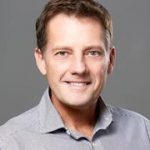
Martin J. Gibala
Ph.D.
Martin J. Gibala
My research examines the regulation of skeletal muscle energy provision. I am particularly interested in the potential for exercise and/or nutrition to induce metabolic adaptations at the molecular and cellular levels in humans.
In addition to basic, mechanistic studies, I also conduct applied research that examines the impact of exercise training and dietary manipulation on sport performance. Recent work in my laboratory has focused on two main areas:
- Metabolic adaptations to low-volume, high-intensity interval training, with an emphasis on the regulation of oxidative energy provision.
- The potential for alterations in nutrient availability to impact the acute or chronic adaptations to exercise training.
Working within the PACE facilities, we plan to conduct larger-scale, randomized controlled trials in order to comprehensively examine the physiological and health-related benefits of low-volume HIT versus traditional high-volume endurance training. We are interested in the potential for high-intensity interval training (HIT) to improve health-related indices in various populations including those at risk for chronic diseases. Preliminary work from small proof-of-principle studies suggests that HIT is a time-efficient strategy to improve insulin sensitivity and reduce blood sugar levels in people at risk for, or afflicted by, type 2 diabetes

Jennifer Heisz
Ph.D.
Director (acting)/Faculty Advisor
My research program examines the interplay between brain and body fitness in the promotion of health.
I use brain-imaging methods to explore how neural network dynamics are affected by physical exercise and cognitive interventions for young adults, healthy older adults, and older adults with mild cognitive impairment (MCI). A key question is whether cognitive-physical interventions target a particular cognitive ability or generalize to everyday functioning. An important clinical application of my work is to establish neural biomarkers as screening protocols for the early detection of neurodegenerative disorders such as Alzheimer’s disease and other dementias.
By conducting research among exercisers in PACE community programs—such as the MacSeniors—I am able to study the long-term effects of regular physical exercise on cognitive health. Specifically, my research in PACE focuses on understanding the long-term benefits of exercise on measures of cognitive health, by assessing exercisers’ cognitive performance at regular intervals. This research will help to determine the optimal dose and type of exercise that mitigates cognitive decline in healthy older adults and individuals with mild cognitive impairment. The ultimate goal of my research program is to understand how lifestyle choices such as exercise can be used for disease prevention.
Vladimir Ljubicic
Ph.D.
Canada Research Chair (Tier II) in Neuromuscular Plasticity in Health and Disease
Vladimir Ljubicic Ph.D.
Our laboratory investigates mechanisms of neuromuscular maintenance and remodelling with an emphasis on identifying therapeutic targets for neuromuscular system disorders.
Neuromuscular plasticity refers to the remodeling of the neuromuscular system in response to genetic or environmental cues. Neuromuscular disorders, including the neuromuscular alterations that are hallmarks of advanced aging, are more common in Canada then generally appreciated. The central experimental questions that form the foundation of our research program are: 1) What roles do phenotype-modifying proteins play in the maintenance and remodeling of the peripheral neuromuscular system, and 2) Are these molecules efficacious therapeutic targets for neuromuscular disorders? To address these questions, we design investigations around rational lifestyle- and pharmacological-based strategies focused on the manipulation of powerful phenotype-bending molecules in the neuromuscular system. Furthermore, we employ an integrative and rigorous cell-to-animal experimental approach, as well as an innovative combination of molecular physiological solutions.
The long-term goals of our research activities in the PACE are to expand fundamental understanding of the mechanisms governing neuromuscular plasticity, as well as to identify novel, evidence-based therapeutic strategies to improve the lives of those with compromised neuromuscular systems. In our efforts to attain these goals, we design studies that examine the presence, location, and activity of specific proteins in neural and skeletal muscle tissues. We manipulate their molecular and cellular characteristics by employing lifestyle, drug, or genetic interventions in order to better define the function of these proteins, as well as to facilitate their identification as potential therapeutic targets. In collaboration with our colleagues in the PACE, as well as with partners in the Faculty of Health Sciences at McMaster University, we advance studies through basic, pre-clinical, and clinical phases of inquiry
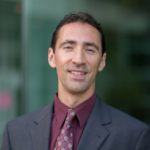
Vladimir Ljubicic
Ph.D.
Canada Research Chair (Tier II) in Neuromuscular Plasticity in Health and Disease
Maureen J. MacDonald
Ph.D.
Dean of Science
Our blood vessels play an important role in transporting blood to and from all of the tissues of our body. My research focuses on the role that physical activity plays in altering arterial structure and function.
Two important features of our arteries are how flexible they are and how much they can expand when they need to accommodate more blood flow. In my lab, we are using new ultrasound methods to look directly at the walls of the arteries and blood flow inside muscles. Our ongoing studies will focus on the use of cutting edge ultrasound technology to view blood vessels. The information gained from these studies will assist in advancing the current basic knowledge of human physiology and help in developing effective exercise programs.
My work in the PACE includes several studies looking at blood vessels in different populations including healthy individuals and those at increased risk for cardiovascular disease. Some current research questions include:
- Is arm or whole body exercise training better to decrease cardiovascular risk in individuals with a chronic spinal cord injury?
- Are activity patterns predictive of arterial health in pre-school aged children?
- Will sprint interval exercise improve the function of arteries for people in a cardiac rehabilitation program?
- Do adults with cerebral palsy have increased cardiovascular risk?
- Does Tai Chi increase exercise capacity for people with cardiac disease?
- How do different exercise programs regulate changes in blood vessel health?

Aimee Nelson
Ph.D.
Canada Research Chair (Tier II) Sensorimotor Control
Aimee Nelson
The purpose of my research is to develop fundamental understanding of the cortical control of the human hand and upper limb.
My research program is focused on the somatosensory contributions to motor control; human hand control is profoundly dependent on the integrity of somatosensory input that arises from touch and muscle receptors. Multiple cortical areas receive and process somatosensory input yet little is known about the role of these areas in the control of human hand movement. My research program is primarily focused on investigating the role of somatosensory loci in the control of hand movement in healthy and clinical populations such as individuals with spinal cord injury. Students in my lab use a combination of neurophysiology techniques including transcranial magnetic stimulation (TMS) and functional magnetic resonance imaging.
One of the long-term goals of my research in the PACE is to improve hand and arm control in individuals with incomplete spinal cord injury. To achieve this goal, we are initiating several studies that aim to combine positive plasticity-inducing effects of TMS with positive plasticity-inducing effects of exercise. Our initial studies in SCI will examine the neural output of the motor cortex to the muscles of the hand. These studies will determine the extent of the remaining connections between the neurons in the motor cortex and spinal cord with the muscles that control finger and hand movements. Further, we are measuring how the remaining motor connections are modified by remaining sensory connections. These studies will tell us whether the motor connections can be modified, an essential element of inducing neural plasticity.
Gianni Parise
Ph.D.
Gianni Parise
My research focuses on skeletal muscle growth and adaptation that requires the contribution of a unique population of cells known as muscle stems (or satellite cells).
In response to damage or stress, muscle stem cells become activated, proliferate, and fuse with muscle fibers to repair damaged tissue. These cells are controlled by a series of transcriptional networks, collectively referred to as the myogenic regulatory factors that govern the induction of these cells from quiescence through proliferation and into terminal differentiation. What remains poorly understood is precisely what environmental cues, released in the hours and days following exercise-induced muscle damage, and how these cues interact with satellite cells.
A related question, that is a focus of my laboratory, is what are the intracellular events that act downstream of these signals leading to the activation of the myogenic regulatory factors? My research activities in the PACE link with a second major focus of my laboratory—revealing the mechanism(s) underlying the progressive loss of muscle mass associated with aging. It has been shown that muscle growth (hypertrophy) is not possible without the contribution of a functional muscle stem cell population. By extension, it stands to reason that a loss of muscle mass with aging, and a blunted hypertrophic response to chronic exercise in older adults, is likely a result of age-related muscle stem cell dysnfunction and/or age-related loss of muscle stem cell number. My research program aims to examine potential age-related impairment of muscle stem cells, as well as the molecular and cellular events that lead to dysregulation of muscle stem cells in advanced age.
Stuart M. Phillips
Ph.D.
Director of PACE
(on leave)
Professor, Department of Kinesiology
Canada Tier 1 Research Chair
Stuart Phillips, Ph.D., M.Sc., B.Sc.
PACE Director, Professor in the Department of Kinesiology, Tier 1 Canada Research Chair
- Bachelor of Science, McMaster University
- Master of Science, McMaster University
- Doctor of Philosophy, University of Waterloo
My research program focuses on the following research question: what factors serve to maintain, increase, or decrease skeletal muscle mass?
In addition, my research does not only address the absolute mass of skeletal muscle, but also its quality as assessed by the quantity of force it can generate, but also by the metabolic activity of various enzymes and energy consuming pathways. In my lab, we use a human model of resistance or aerobic exercise, immobilization, or aging to study the processes that govern: muscle accretion, in the case of resistance exercise; atrophy, in the case of immobilization; and sarcopenia, in the case of aging. In addition, my research group has studied the interaction of feeding different protein composition and varied meal timing on the processes regulating hypertrophy and disuse atrophy. We employ stable isotope tracers of amino acids to metabolically trace the fate of ingested proteins. Muscle biopsies provide us with mechanistic information regarding processes that regulate protein accretion and degradation. We use Western blotting, RT-PCR, histological, and immunohistochemical methods to examine these mechanisms. I am also very interested in conditions in which muscle wasting occurs, particularly in the elderly.
My research activities in the PACE are centred on projects that look at how nutrition and exercise interact to affect strength and muscle mass in older people or in persons with chronic disease such as type 2 diabetes or obesity. For example, one study examines the effects of short-term training among people with pre-diabetes consuming a diet with or without dairy. Another training study involving older adults, has examined the effects of post-workout dairy consumption.
Stuart M. Phillips
Ph.D.
Director of PACE
(on leave)
Professor, Department of Kinesiology
Canada Tier 1 Research Chair
Ada Tang
PT, Ph.D.
Ada Tang
My research is focused on exercise and cardiovascular health among people with stroke and other neurological conditions, particularly as these relate to cardiovascular risk factors and prevention of cardiovascular disease.
In Canada, there are 50,000 new cases of stroke each year, or about 1 stroke every 10 minutes. Stroke affects different people in different ways. Many people continue to live with physical and cognitive effects of stroke, which can contribute to limited mobility, physical inactivity, and sedentary behaviours. This can lead to higher risk for developing cardiovascular disease or having another stroke.
Exercise and regular physical activity has the potential to mediate many cardiovascular risk factors and may be effective for primary and secondary prevention of stroke and cardiovascular disease.
Our research examines the physiological effects of exercise and physical activity after stroke, refining protocols for exercise testing and training, investigating the effects of broader, holistic health promotion approach to improving cardiovascular health, and examining the effects of physical activity on primary and secondary events. This work contributes to our knowledge regarding effective strategies to improve the health and lives of people at risk for stroke and those living with the effects of stroke.

David Yi
Associate Director/Faculty Advisor
David Yi
I am passionate about conducting collaborative and transformative interdisciplinary studies to promote equity, diversity, and inclusion in physical activity participation. Employing community engaged methodologies, I seek opportunities for everyone to pursue active lifestyles that enhance their health and well-being in various contexts of human movement. Four areas of research focus are:
- Identification of systemic and personal barriers to physical activity by collecting and representing “unheard” or “silenced” lived stories of marginalized and oppressed groups and individuals;
- Identification of effective and ethically framed professional practices that promote access and social inclusion, cultural sustainability, and respectful reconciliation in working with equity deserving groups and individuals;
- Identification of actionable solutions based on both the scientific evidence and the perspective of persons who experience inequities and social injustices in physical activity participation; and
- Promotion of direct social change through community building and engagement in research, practice, and knowledge mobilization.
Steven R. Bray
Ph.D.
Associate Director/Faculty Advisor
Steven R. Bray
My research examines social-cognitive factors that influence and are influenced by participation in physical activity. Current interests include self-perceptions such as self-efficacy, perceived control, self-regulation, and self-determination.
My research examines social-cognitive factors that influence and are influenced by participation in physical activity. Current interests include self-perceptions such as self-efficacy, perceived control, self-regulation, and self-determination. I also investigate people’s perceptions about influential others who interact with them (proxy agents) in their pursuit of behavioural objectives. Understanding relationships between these perceptions and behaviour involves laboratory and field-based research. Challenges faced by people navigating life transitions such as moving away from home to attend college or university, rehabilitating from illness, and becoming a parent are of particular interest.
My current research activities in the PACE include a collaborative project—The “HOPP” (Health Outcomes and Physical activity in Preschoolers) Study—in which we are investigating health risk factors associated with physical activity in young children as well as parents’ perceptions of benefits and barriers to providing physical activity opportunities for their preschoolers. I am also involved in a collaborative study investigating the effects of a telephone-delivered counseling intervention to promote physical activity among children and youth with epilepsy.
Steven R. Bray
Ph.D.
Associate Director/Faculty Advisor
Steven R. Bray
My research examines social-cognitive factors that influence and are influenced by participation in physical activity. Current interests include self-perceptions such as self-efficacy, perceived control, self-regulation, and self-determination.
My research examines social-cognitive factors that influence and are influenced by participation in physical activity. Current interests include self-perceptions such as self-efficacy, perceived control, self-regulation, and self-determination. I also investigate people’s perceptions about influential others who interact with them (proxy agents) in their pursuit of behavioural objectives. Understanding relationships between these perceptions and behaviour involves laboratory and field-based research. Challenges faced by people navigating life transitions such as moving away from home to attend college or university, rehabilitating from illness, and becoming a parent are of particular interest.
My current research activities in the PACE include a collaborative project—The “HOPP” (Health Outcomes and Physical activity in Preschoolers) Study—in which we are investigating health risk factors associated with physical activity in young children as well as parents’ perceptions of benefits and barriers to providing physical activity opportunities for their preschoolers. I am also involved in a collaborative study investigating the effects of a telephone-delivered counseling intervention to promote physical activity among children and youth with epilepsy.
Martin J. Gibala
Ph.D.
Martin J. Gibala
My research examines the regulation of skeletal muscle energy provision. I am particularly interested in the potential for exercise and/or nutrition to induce metabolic adaptations at the molecular and cellular levels in humans.
In addition to basic, mechanistic studies, I also conduct applied research that examines the impact of exercise training and dietary manipulation on sport performance. Recent work in my laboratory has focused on two main areas:
- Metabolic adaptations to low-volume, high-intensity interval training, with an emphasis on the regulation of oxidative energy provision.
- The potential for alterations in nutrient availability to impact the acute or chronic adaptations to exercise training.
Working within the PACE facilities, we plan to conduct larger-scale, randomized controlled trials in order to comprehensively examine the physiological and health-related benefits of low-volume HIT versus traditional high-volume endurance training. We are interested in the potential for high-intensity interval training (HIT) to improve health-related indices in various populations including those at risk for chronic diseases. Preliminary work from small proof-of-principle studies suggests that HIT is a time-efficient strategy to improve insulin sensitivity and reduce blood sugar levels in people at risk for, or afflicted by, type 2 diabetes
Martin J. Gibala
Ph.D.
Martin J. Gibala
My research examines the regulation of skeletal muscle energy provision. I am particularly interested in the potential for exercise and/or nutrition to induce metabolic adaptations at the molecular and cellular levels in humans.
In addition to basic, mechanistic studies, I also conduct applied research that examines the impact of exercise training and dietary manipulation on sport performance. Recent work in my laboratory has focused on two main areas:
- Metabolic adaptations to low-volume, high-intensity interval training, with an emphasis on the regulation of oxidative energy provision.
- The potential for alterations in nutrient availability to impact the acute or chronic adaptations to exercise training.
Working within the PACE facilities, we plan to conduct larger-scale, randomized controlled trials in order to comprehensively examine the physiological and health-related benefits of low-volume HIT versus traditional high-volume endurance training. We are interested in the potential for high-intensity interval training (HIT) to improve health-related indices in various populations including those at risk for chronic diseases. Preliminary work from small proof-of-principle studies suggests that HIT is a time-efficient strategy to improve insulin sensitivity and reduce blood sugar levels in people at risk for, or afflicted by, type 2 diabetes
Jennifer Heisz
Ph.D.
Director (acting)/Faculty Advisor
My research program examines the interplay between brain and body fitness in the promotion of health.
I use brain-imaging methods to explore how neural network dynamics are affected by physical exercise and cognitive interventions for young adults, healthy older adults, and older adults with mild cognitive impairment (MCI). A key question is whether cognitive-physical interventions target a particular cognitive ability or generalize to everyday functioning. An important clinical application of my work is to establish neural biomarkers as screening protocols for the early detection of neurodegenerative disorders such as Alzheimer’s disease and other dementias.
By conducting research among exercisers in PACE community programs—such as the MacSeniors—I am able to study the long-term effects of regular physical exercise on cognitive health. Specifically, my research in PACE focuses on understanding the long-term benefits of exercise on measures of cognitive health, by assessing exercisers’ cognitive performance at regular intervals. This research will help to determine the optimal dose and type of exercise that mitigates cognitive decline in healthy older adults and individuals with mild cognitive impairment. The ultimate goal of my research program is to understand how lifestyle choices such as exercise can be used for disease prevention.
Jennifer Heisz
Ph.D.
Director (acting)/Faculty Advisor
My research program examines the interplay between brain and body fitness in the promotion of health.
I use brain-imaging methods to explore how neural network dynamics are affected by physical exercise and cognitive interventions for young adults, healthy older adults, and older adults with mild cognitive impairment (MCI). A key question is whether cognitive-physical interventions target a particular cognitive ability or generalize to everyday functioning. An important clinical application of my work is to establish neural biomarkers as screening protocols for the early detection of neurodegenerative disorders such as Alzheimer’s disease and other dementias.
By conducting research among exercisers in PACE community programs—such as the MacSeniors—I am able to study the long-term effects of regular physical exercise on cognitive health. Specifically, my research in PACE focuses on understanding the long-term benefits of exercise on measures of cognitive health, by assessing exercisers’ cognitive performance at regular intervals. This research will help to determine the optimal dose and type of exercise that mitigates cognitive decline in healthy older adults and individuals with mild cognitive impairment. The ultimate goal of my research program is to understand how lifestyle choices such as exercise can be used for disease prevention.
Vladimir Ljubicic
Ph.D.
Canada Research Chair (Tier II) in Neuromuscular Plasticity in Health and Disease
Vladimir Ljubicic Ph.D.
Our laboratory investigates mechanisms of neuromuscular maintenance and remodelling with an emphasis on identifying therapeutic targets for neuromuscular system disorders.
Neuromuscular plasticity refers to the remodeling of the neuromuscular system in response to genetic or environmental cues. Neuromuscular disorders, including the neuromuscular alterations that are hallmarks of advanced aging, are more common in Canada then generally appreciated. The central experimental questions that form the foundation of our research program are: 1) What roles do phenotype-modifying proteins play in the maintenance and remodeling of the peripheral neuromuscular system, and 2) Are these molecules efficacious therapeutic targets for neuromuscular disorders? To address these questions, we design investigations around rational lifestyle- and pharmacological-based strategies focused on the manipulation of powerful phenotype-bending molecules in the neuromuscular system. Furthermore, we employ an integrative and rigorous cell-to-animal experimental approach, as well as an innovative combination of molecular physiological solutions.
The long-term goals of our research activities in the PACE are to expand fundamental understanding of the mechanisms governing neuromuscular plasticity, as well as to identify novel, evidence-based therapeutic strategies to improve the lives of those with compromised neuromuscular systems. In our efforts to attain these goals, we design studies that examine the presence, location, and activity of specific proteins in neural and skeletal muscle tissues. We manipulate their molecular and cellular characteristics by employing lifestyle, drug, or genetic interventions in order to better define the function of these proteins, as well as to facilitate their identification as potential therapeutic targets. In collaboration with our colleagues in the PACE, as well as with partners in the Faculty of Health Sciences at McMaster University, we advance studies through basic, pre-clinical, and clinical phases of inquiry
Vladimir Ljubicic
Ph.D.
Canada Research Chair (Tier II) in Neuromuscular Plasticity in Health and Disease
Vladimir Ljubicic Ph.D.
Our laboratory investigates mechanisms of neuromuscular maintenance and remodelling with an emphasis on identifying therapeutic targets for neuromuscular system disorders.
Neuromuscular plasticity refers to the remodeling of the neuromuscular system in response to genetic or environmental cues. Neuromuscular disorders, including the neuromuscular alterations that are hallmarks of advanced aging, are more common in Canada then generally appreciated. The central experimental questions that form the foundation of our research program are: 1) What roles do phenotype-modifying proteins play in the maintenance and remodeling of the peripheral neuromuscular system, and 2) Are these molecules efficacious therapeutic targets for neuromuscular disorders? To address these questions, we design investigations around rational lifestyle- and pharmacological-based strategies focused on the manipulation of powerful phenotype-bending molecules in the neuromuscular system. Furthermore, we employ an integrative and rigorous cell-to-animal experimental approach, as well as an innovative combination of molecular physiological solutions.
The long-term goals of our research activities in the PACE are to expand fundamental understanding of the mechanisms governing neuromuscular plasticity, as well as to identify novel, evidence-based therapeutic strategies to improve the lives of those with compromised neuromuscular systems. In our efforts to attain these goals, we design studies that examine the presence, location, and activity of specific proteins in neural and skeletal muscle tissues. We manipulate their molecular and cellular characteristics by employing lifestyle, drug, or genetic interventions in order to better define the function of these proteins, as well as to facilitate their identification as potential therapeutic targets. In collaboration with our colleagues in the PACE, as well as with partners in the Faculty of Health Sciences at McMaster University, we advance studies through basic, pre-clinical, and clinical phases of inquiry
Maureen J. MacDonald
Ph.D.
Dean of Science
Our blood vessels play an important role in transporting blood to and from all of the tissues of our body. My research focuses on the role that physical activity plays in altering arterial structure and function.
Two important features of our arteries are how flexible they are and how much they can expand when they need to accommodate more blood flow. In my lab, we are using new ultrasound methods to look directly at the walls of the arteries and blood flow inside muscles. Our ongoing studies will focus on the use of cutting edge ultrasound technology to view blood vessels. The information gained from these studies will assist in advancing the current basic knowledge of human physiology and help in developing effective exercise programs.
My work in the PACE includes several studies looking at blood vessels in different populations including healthy individuals and those at increased risk for cardiovascular disease. Some current research questions include:
- Is arm or whole body exercise training better to decrease cardiovascular risk in individuals with a chronic spinal cord injury?
- Are activity patterns predictive of arterial health in pre-school aged children?
- Will sprint interval exercise improve the function of arteries for people in a cardiac rehabilitation program?
- Do adults with cerebral palsy have increased cardiovascular risk?
- Does Tai Chi increase exercise capacity for people with cardiac disease?
- How do different exercise programs regulate changes in blood vessel health?
Maureen J. MacDonald
Ph.D.
Dean of Science
Our blood vessels play an important role in transporting blood to and from all of the tissues of our body. My research focuses on the role that physical activity plays in altering arterial structure and function.
Two important features of our arteries are how flexible they are and how much they can expand when they need to accommodate more blood flow. In my lab, we are using new ultrasound methods to look directly at the walls of the arteries and blood flow inside muscles. Our ongoing studies will focus on the use of cutting edge ultrasound technology to view blood vessels. The information gained from these studies will assist in advancing the current basic knowledge of human physiology and help in developing effective exercise programs.
My work in the PACE includes several studies looking at blood vessels in different populations including healthy individuals and those at increased risk for cardiovascular disease. Some current research questions include:
- Is arm or whole body exercise training better to decrease cardiovascular risk in individuals with a chronic spinal cord injury?
- Are activity patterns predictive of arterial health in pre-school aged children?
- Will sprint interval exercise improve the function of arteries for people in a cardiac rehabilitation program?
- Do adults with cerebral palsy have increased cardiovascular risk?
- Does Tai Chi increase exercise capacity for people with cardiac disease?
- How do different exercise programs regulate changes in blood vessel health?
Aimee Nelson
Ph.D.
Canada Research Chair (Tier II) Sensorimotor Control
Aimee Nelson
The purpose of my research is to develop fundamental understanding of the cortical control of the human hand and upper limb.
My research program is focused on the somatosensory contributions to motor control; human hand control is profoundly dependent on the integrity of somatosensory input that arises from touch and muscle receptors. Multiple cortical areas receive and process somatosensory input yet little is known about the role of these areas in the control of human hand movement. My research program is primarily focused on investigating the role of somatosensory loci in the control of hand movement in healthy and clinical populations such as individuals with spinal cord injury. Students in my lab use a combination of neurophysiology techniques including transcranial magnetic stimulation (TMS) and functional magnetic resonance imaging.
One of the long-term goals of my research in the PACE is to improve hand and arm control in individuals with incomplete spinal cord injury. To achieve this goal, we are initiating several studies that aim to combine positive plasticity-inducing effects of TMS with positive plasticity-inducing effects of exercise. Our initial studies in SCI will examine the neural output of the motor cortex to the muscles of the hand. These studies will determine the extent of the remaining connections between the neurons in the motor cortex and spinal cord with the muscles that control finger and hand movements. Further, we are measuring how the remaining motor connections are modified by remaining sensory connections. These studies will tell us whether the motor connections can be modified, an essential element of inducing neural plasticity.
Aimee Nelson
Ph.D.
Canada Research Chair (Tier II) Sensorimotor Control
Aimee Nelson
The purpose of my research is to develop fundamental understanding of the cortical control of the human hand and upper limb.
My research program is focused on the somatosensory contributions to motor control; human hand control is profoundly dependent on the integrity of somatosensory input that arises from touch and muscle receptors. Multiple cortical areas receive and process somatosensory input yet little is known about the role of these areas in the control of human hand movement. My research program is primarily focused on investigating the role of somatosensory loci in the control of hand movement in healthy and clinical populations such as individuals with spinal cord injury. Students in my lab use a combination of neurophysiology techniques including transcranial magnetic stimulation (TMS) and functional magnetic resonance imaging.
One of the long-term goals of my research in the PACE is to improve hand and arm control in individuals with incomplete spinal cord injury. To achieve this goal, we are initiating several studies that aim to combine positive plasticity-inducing effects of TMS with positive plasticity-inducing effects of exercise. Our initial studies in SCI will examine the neural output of the motor cortex to the muscles of the hand. These studies will determine the extent of the remaining connections between the neurons in the motor cortex and spinal cord with the muscles that control finger and hand movements. Further, we are measuring how the remaining motor connections are modified by remaining sensory connections. These studies will tell us whether the motor connections can be modified, an essential element of inducing neural plasticity.
Gianni Parise
Ph.D.
Gianni Parise
My research focuses on skeletal muscle growth and adaptation that requires the contribution of a unique population of cells known as muscle stems (or satellite cells).
In response to damage or stress, muscle stem cells become activated, proliferate, and fuse with muscle fibers to repair damaged tissue. These cells are controlled by a series of transcriptional networks, collectively referred to as the myogenic regulatory factors that govern the induction of these cells from quiescence through proliferation and into terminal differentiation. What remains poorly understood is precisely what environmental cues, released in the hours and days following exercise-induced muscle damage, and how these cues interact with satellite cells.
A related question, that is a focus of my laboratory, is what are the intracellular events that act downstream of these signals leading to the activation of the myogenic regulatory factors? My research activities in the PACE link with a second major focus of my laboratory—revealing the mechanism(s) underlying the progressive loss of muscle mass associated with aging. It has been shown that muscle growth (hypertrophy) is not possible without the contribution of a functional muscle stem cell population. By extension, it stands to reason that a loss of muscle mass with aging, and a blunted hypertrophic response to chronic exercise in older adults, is likely a result of age-related muscle stem cell dysnfunction and/or age-related loss of muscle stem cell number. My research program aims to examine potential age-related impairment of muscle stem cells, as well as the molecular and cellular events that lead to dysregulation of muscle stem cells in advanced age.
Gianni Parise
Ph.D.
Gianni Parise
My research focuses on skeletal muscle growth and adaptation that requires the contribution of a unique population of cells known as muscle stems (or satellite cells).
In response to damage or stress, muscle stem cells become activated, proliferate, and fuse with muscle fibers to repair damaged tissue. These cells are controlled by a series of transcriptional networks, collectively referred to as the myogenic regulatory factors that govern the induction of these cells from quiescence through proliferation and into terminal differentiation. What remains poorly understood is precisely what environmental cues, released in the hours and days following exercise-induced muscle damage, and how these cues interact with satellite cells.
A related question, that is a focus of my laboratory, is what are the intracellular events that act downstream of these signals leading to the activation of the myogenic regulatory factors? My research activities in the PACE link with a second major focus of my laboratory—revealing the mechanism(s) underlying the progressive loss of muscle mass associated with aging. It has been shown that muscle growth (hypertrophy) is not possible without the contribution of a functional muscle stem cell population. By extension, it stands to reason that a loss of muscle mass with aging, and a blunted hypertrophic response to chronic exercise in older adults, is likely a result of age-related muscle stem cell dysnfunction and/or age-related loss of muscle stem cell number. My research program aims to examine potential age-related impairment of muscle stem cells, as well as the molecular and cellular events that lead to dysregulation of muscle stem cells in advanced age.
Stuart M. Phillips
Ph.D.
Director of PACE
(on leave)
Professor, Department of Kinesiology
Canada Tier 1 Research Chair
Stuart Phillips, Ph.D., M.Sc., B.Sc.
PACE Director, Professor in the Department of Kinesiology, Tier 1 Canada Research Chair
- Bachelor of Science, McMaster University
- Master of Science, McMaster University
- Doctor of Philosophy, University of Waterloo
My research program focuses on the following research question: what factors serve to maintain, increase, or decrease skeletal muscle mass?
In addition, my research does not only address the absolute mass of skeletal muscle, but also its quality as assessed by the quantity of force it can generate, but also by the metabolic activity of various enzymes and energy consuming pathways. In my lab, we use a human model of resistance or aerobic exercise, immobilization, or aging to study the processes that govern: muscle accretion, in the case of resistance exercise; atrophy, in the case of immobilization; and sarcopenia, in the case of aging. In addition, my research group has studied the interaction of feeding different protein composition and varied meal timing on the processes regulating hypertrophy and disuse atrophy. We employ stable isotope tracers of amino acids to metabolically trace the fate of ingested proteins. Muscle biopsies provide us with mechanistic information regarding processes that regulate protein accretion and degradation. We use Western blotting, RT-PCR, histological, and immunohistochemical methods to examine these mechanisms. I am also very interested in conditions in which muscle wasting occurs, particularly in the elderly.
My research activities in the PACE are centred on projects that look at how nutrition and exercise interact to affect strength and muscle mass in older people or in persons with chronic disease such as type 2 diabetes or obesity. For example, one study examines the effects of short-term training among people with pre-diabetes consuming a diet with or without dairy. Another training study involving older adults, has examined the effects of post-workout dairy consumption.
Stuart M. Phillips
Ph.D.
Director of PACE
(on leave)
Professor, Department of Kinesiology
Canada Tier 1 Research Chair
Stuart Phillips, Ph.D., M.Sc., B.Sc.
PACE Director, Professor in the Department of Kinesiology, Tier 1 Canada Research Chair
- Bachelor of Science, McMaster University
- Master of Science, McMaster University
- Doctor of Philosophy, University of Waterloo
My research program focuses on the following research question: what factors serve to maintain, increase, or decrease skeletal muscle mass?
In addition, my research does not only address the absolute mass of skeletal muscle, but also its quality as assessed by the quantity of force it can generate, but also by the metabolic activity of various enzymes and energy consuming pathways. In my lab, we use a human model of resistance or aerobic exercise, immobilization, or aging to study the processes that govern: muscle accretion, in the case of resistance exercise; atrophy, in the case of immobilization; and sarcopenia, in the case of aging. In addition, my research group has studied the interaction of feeding different protein composition and varied meal timing on the processes regulating hypertrophy and disuse atrophy. We employ stable isotope tracers of amino acids to metabolically trace the fate of ingested proteins. Muscle biopsies provide us with mechanistic information regarding processes that regulate protein accretion and degradation. We use Western blotting, RT-PCR, histological, and immunohistochemical methods to examine these mechanisms. I am also very interested in conditions in which muscle wasting occurs, particularly in the elderly.
My research activities in the PACE are centred on projects that look at how nutrition and exercise interact to affect strength and muscle mass in older people or in persons with chronic disease such as type 2 diabetes or obesity. For example, one study examines the effects of short-term training among people with pre-diabetes consuming a diet with or without dairy. Another training study involving older adults, has examined the effects of post-workout dairy consumption.
Ada Tang
PT, Ph.D.
Ada Tang
My research is focused on exercise and cardiovascular health among people with stroke and other neurological conditions, particularly as these relate to cardiovascular risk factors and prevention of cardiovascular disease.
In Canada, there are 50,000 new cases of stroke each year, or about 1 stroke every 10 minutes. Stroke affects different people in different ways. Many people continue to live with physical and cognitive effects of stroke, which can contribute to limited mobility, physical inactivity, and sedentary behaviours. This can lead to higher risk for developing cardiovascular disease or having another stroke.
Exercise and regular physical activity has the potential to mediate many cardiovascular risk factors and may be effective for primary and secondary prevention of stroke and cardiovascular disease.
Our research examines the physiological effects of exercise and physical activity after stroke, refining protocols for exercise testing and training, investigating the effects of broader, holistic health promotion approach to improving cardiovascular health, and examining the effects of physical activity on primary and secondary events. This work contributes to our knowledge regarding effective strategies to improve the health and lives of people at risk for stroke and those living with the effects of stroke.
Ada Tang
PT, Ph.D.
Ada Tang
My research is focused on exercise and cardiovascular health among people with stroke and other neurological conditions, particularly as these relate to cardiovascular risk factors and prevention of cardiovascular disease.
In Canada, there are 50,000 new cases of stroke each year, or about 1 stroke every 10 minutes. Stroke affects different people in different ways. Many people continue to live with physical and cognitive effects of stroke, which can contribute to limited mobility, physical inactivity, and sedentary behaviours. This can lead to higher risk for developing cardiovascular disease or having another stroke.
Exercise and regular physical activity has the potential to mediate many cardiovascular risk factors and may be effective for primary and secondary prevention of stroke and cardiovascular disease.
Our research examines the physiological effects of exercise and physical activity after stroke, refining protocols for exercise testing and training, investigating the effects of broader, holistic health promotion approach to improving cardiovascular health, and examining the effects of physical activity on primary and secondary events. This work contributes to our knowledge regarding effective strategies to improve the health and lives of people at risk for stroke and those living with the effects of stroke.
David Yi
Associate Director/Faculty Advisor
David Yi
I am passionate about conducting collaborative and transformative interdisciplinary studies to promote equity, diversity, and inclusion in physical activity participation. Employing community engaged methodologies, I seek opportunities for everyone to pursue active lifestyles that enhance their health and well-being in various contexts of human movement. Four areas of research focus are:
- Identification of systemic and personal barriers to physical activity by collecting and representing “unheard” or “silenced” lived stories of marginalized and oppressed groups and individuals;
- Identification of effective and ethically framed professional practices that promote access and social inclusion, cultural sustainability, and respectful reconciliation in working with equity deserving groups and individuals;
- Identification of actionable solutions based on both the scientific evidence and the perspective of persons who experience inequities and social injustices in physical activity participation; and
- Promotion of direct social change through community building and engagement in research, practice, and knowledge mobilization.
David Yi
Associate Director/Faculty Advisor
David Yi
I am passionate about conducting collaborative and transformative interdisciplinary studies to promote equity, diversity, and inclusion in physical activity participation. Employing community engaged methodologies, I seek opportunities for everyone to pursue active lifestyles that enhance their health and well-being in various contexts of human movement. Four areas of research focus are:
- Identification of systemic and personal barriers to physical activity by collecting and representing “unheard” or “silenced” lived stories of marginalized and oppressed groups and individuals;
- Identification of effective and ethically framed professional practices that promote access and social inclusion, cultural sustainability, and respectful reconciliation in working with equity deserving groups and individuals;
- Identification of actionable solutions based on both the scientific evidence and the perspective of persons who experience inequities and social injustices in physical activity participation; and
- Promotion of direct social change through community building and engagement in research, practice, and knowledge mobilization.
Getting to PACE
GETTING TO MCMASTER by Car
PACE Reception Desk
Ivor Wynne Centre, Room E114
McMaster University
1280 Main Street West
Hamilton, Ontario, L8S 4L8
Phone: (905) 525-9140 ext. 27223
Email: pacesm@mcmaster.ca
Fax: (905) 525-7629
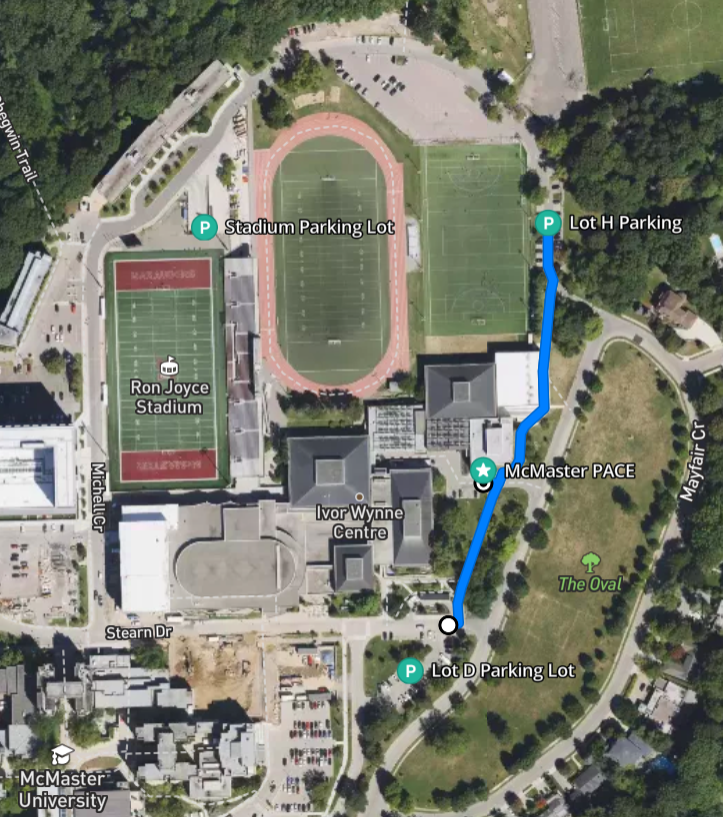
Getting to McMaster by Transit

Public Transit
HSR buses that drive through the McMaster campus include:
- 1 King
- 5 Delaware
- 51 University
Getting to PACE
Learn how to get to PACE once you are at McMaster University.

Once on Campus
- Turn right onto Stearn Drive.
- Follow Stearn Drive until you reach Michell Crescent and turn right.
- Follow Michell Crescent until you reach Lot H.
- The East Entrance of Ivor Wynne Centre can be found between Lot H and Lot D, on Forsyth Ave. North.

Entering from the South Entrance of the Ivor Wynne Centre
- Use the stairs or ramp to enter the South Entrance doors of the Ivor Wynne Centre.
- The McMaster Physical Activity Centre of Excellence is on main floor (the same floor that you enter).
- From the front door, walk through the open corridor (staying to the left) and continue down the hallway through a set of blue double doors.
- Just prior to the hall ending, turn right (there are graduation pictures on the wall).
- The McMaster Physical Activity Centre of Excellence is at the end of this hall. Look for the maroon/glass door (IWC, A114)

Entering from the East Entrance of the Ivor Wynne Centre
- Follow the path to the right of the South Entrance across an accessible parking lot to a set of sliding glass doors.
- Take the stairs or elevator up to level 1.
- Turn right and you will arrive at the PACE Reception Desk (IWC E114)

Entering from the Underground Stadium Parking Lot
- Accessible route (no stairs):
- From the parking lot, follow signs to access the David Braley Athletic Centre.
- Pass through a glass door and up the ramp.
- From the top of the ramp, proceed left away from the stairs and toward Mitchell Crescent.
- Turn left onto Mitchell Crescent.
- Follow the sidewalk to Stearn Drive and turn left toward the David Braley Athletic Centre.
- Continue along Stearn Drive, passing the David Braley Athletic Centre and South Entrance to Ivor Wynne Centre (parking lots will be on your right),
- Follow the path to the right of the South Entrance to Ivor Wynne Centre and across an accessible parking lot to a set of sliding glass doors.
- Take the elevator up to level 1.
- Turn right and you will arrive at the PACE Reception Desk (IWC E114).
- Route using stairs:
- From the parking lot, follow signs to access the David Braley Athletic Centre.
- Pass through a glass door and up the ramp.
- From the top of the ramp, turn right up the stairs. The sports field will be on your left and a set of double doors on your right.
- Enter through the double doors and turn left (away from food service area).
- Keep left to pass through an open mezzanine area.
- At the end of the mezzanine, you will turn left through the doors.
- Just prior to this hall ending, turn right (there are graduation pictures on the wall).
- The McMaster Physical Activity Centre of Excellence is at the end of this hall. Look for the maroon/glass door (IWC, A114)

Where to Park
Monthly parking permits are available for community members, with parking available near PACE in the following lots:
Temporary and monthly parking
- Parking Lot H
PACE Transponder Holders
- Parking lot D
- Stadium Underground Parking Garage
Accessible parking spaces directly outside the Ivor Wynne Centre are available for community members with government issued accessible parking permits.
Discover McMaster Visit Discover McMaster
Learn more about the McMaster Campus, parking, places to eat and explore our 3D maps.